
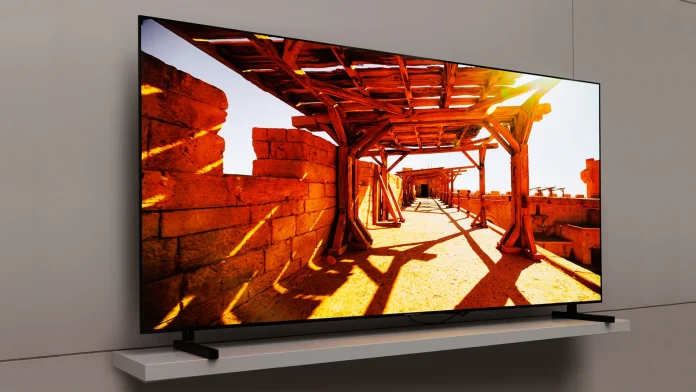

Samsung has been the world’s largest TV brand for 20 years in a row for a reason. It makes incredible TVs, especially in the high end. After reading glowing reviews of QD-OLED TVs, I bought an S90C TV two years ago. I’m very happy with its performance, thanks to attractive colors, perfect blacks, and very wide viewing angles.
It served as the centerpiece of my living room and wowed many people. However, after more than 5,000 hours of use, it is clear that its hardware is hampered by many software problems.
1. Samsung TV Plus appears even if I don’t want to use it
One of my biggest gripes with Samsung TVs is the aggressive behavior of the Samsung TV Plus. While a free, ad-supported streaming service is nice to have, it can feel invasive.
When I access the TV Settings menu on the home screen, the TV insists on launching the last used app or switching to Samsung TV Plus. Pressing the channel button also launches Samsung TV Plus.
Abid Iqbal Shaik / SamMobile
Samsung TV Plus on Samsung S90C OLED TV in India – Source: Abid Iqbal Shaik / SamMobile
There is no way to simply adjust the picture or sound settings without the TV forcing the video source to load in the background. It turns a simple fix into a frustrating waiting game.
2. Large volume bar
When adjusting the volume, a large overlay on the left side takes up about a quarter of the screen to display Q-Symphony details and speaker settings. While the Q-Symphony technology is impressive, there’s no need to display all those setup details every time you change the volume on the TV.

Abhijeet Mishra / SamMobile
Volume bar on Samsung TVs with Tizen OS 8 (and earlier) – Source: Abhijeet Mishra / SamMobile
Although the latest software update (One UI Tizen with Tizen OS 9) has fixed this issue, making the volume bar much smaller, it still shows how the Samsung sound bar is connected to the TV (such as HDMI or Wi-Fi). And the text scrolls to show the full name of the audio output device.
3. Q-Symphony and wireless Wi-Fi issues
The Q-Symphony’s wireless feature still feels like a work in progress. In a mesh Wi-Fi network, which is common in many modern large homes, the 5GHz connection to Samsung sound bars can seem unstable even if the TV is always connected to the same 5GHz network. That would make the Wireless Q-Symphony unreliable. This issue is very widespread, and people are always complaining about it.
After experiencing these issues consistently, I connected the HW-Q800C sound bar to my S90C using an HDMI cable. Despite having a high-end TV and sound bar designed to work together wirelessly, I was forced to use a wired connection.
Similarly, the lack of important Wi-Fi network settings means that the TV occasionally jumps between two Wi-Fi networks (if you have two Wi-Fi networks), with no way to lock it to a preferred connection.
4. Music apps cannot run in the background
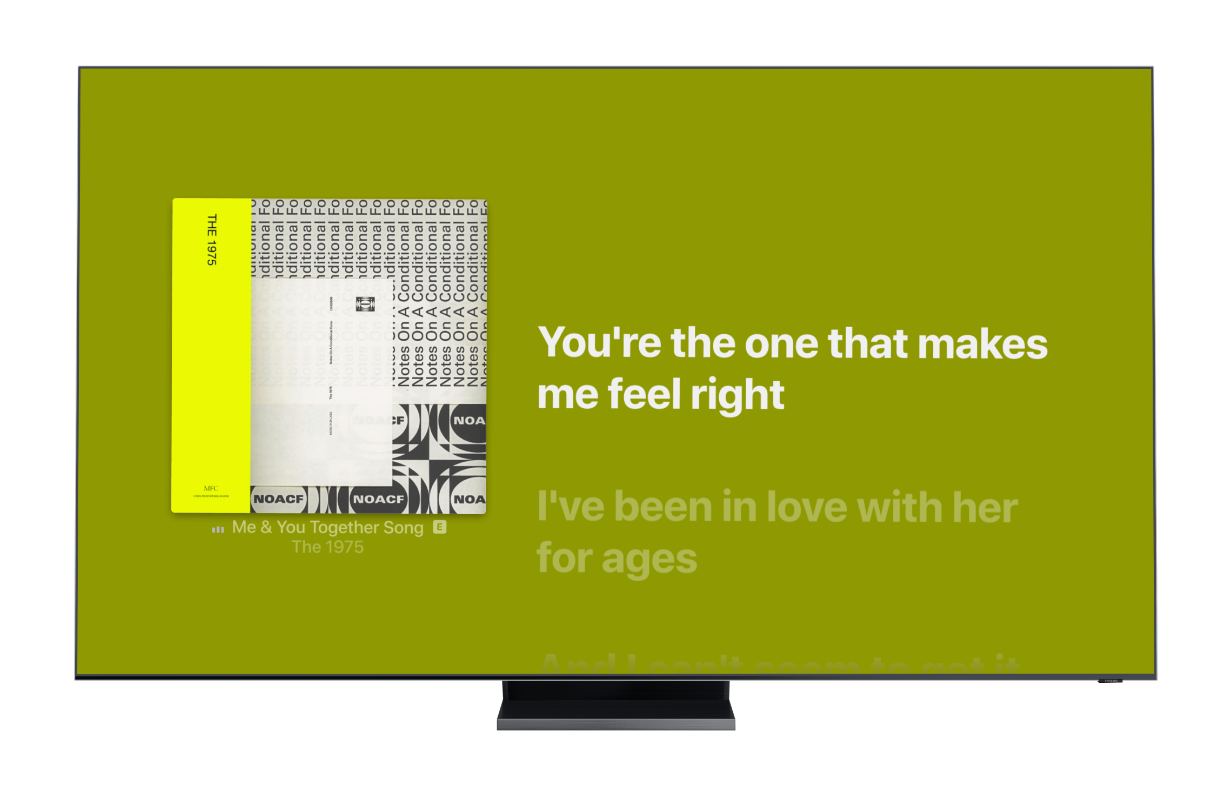
Samsung
Apple Music on Samsung TV – Source: Samsung
Tizen OS also feels limited when it comes to multitasking. It’s confusing that music streaming apps like Apple Music and Spotify can’t continue playing music in the background when I go back to the home screen to browse other content.
That shouldn’t be a problem in a modern operating system. tvOS for Apple and Android TV (or Google TV) can play music in the background.
5. No dedicated input switch button
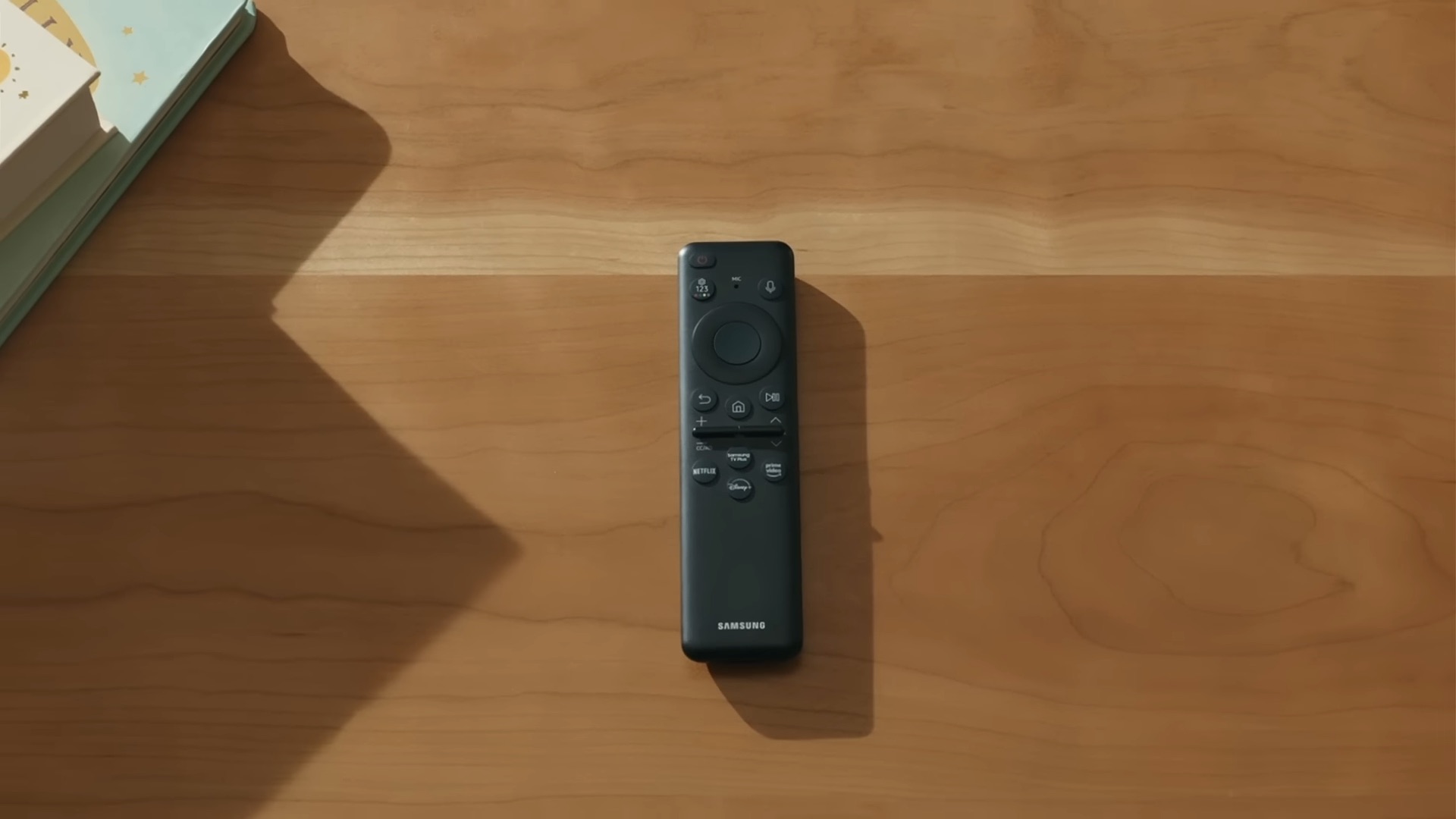
While I still appreciate Samsung’s SolarCell Remote for its compact size and innovative charger, it annoys me that it doesn’t have a dedicated input switch button.
Samsung
Samsung SolarCell Remote – Source: Samsung
If I want to switch from my set-top box to the Xbox Series X, I have to navigate back to the home screen, scroll to the hamburger menu on the far left, and dig into the list of inputs. Many users would probably welcome Samsung’s replacement of one button for four streaming app shortcuts with an input switch shortcut.
6. There is no easy way to check current audio and video information
Samsung TVs also don’t have a standard infotainment overlay. Checking whether you’re actually getting a 4K HDR signal or Dolby Atmos sound often feels like a guessing game. The “i” button is buried in an on-screen submenu and only works intermittently across different applications and inputs.
You can check if your TV displays SDR, HDR10, or HDR10+ content by accessing the Quick Panel and hovering over the Picture Mode button. If it doesn’t show the HDR logo, then the TV is playing SDR content. When displaying HDR10 or HDR10+, Picture Mode displays the appropriate text.
Samsung has mastered the art of making TVs with good picture quality, but the user experience needs more attention. The company has improved the UI on its phones and tablets significantly over the years, and now it needs to bring the same level of polish to its TVs.