


Teachers worry about students using AI to do their homework, publishers worry about novelists using AI to complete their books, but now biosecurity experts have something even bigger to worry about: AI’s ability to design dangerous biological agents. It’s enough to have big tech companies, top scientists, and national security lawyers alike all worry about the same thing.
The fear is that AI systems have become capable enough to design biological molecules and help with other complex laboratory tasks that were once reserved for highly trained experts alone. Now executives from Microsoft to OpenAI to Anthropic have joined the calls for Congress to act. Specifically, the hope is that the government could require mandatory testing of synthetic DNA and RNA commands to prevent bad actors from pursuing dangerous (potentially lethal) biological weapons.
As it is, the testing programs used by some synthetic biology companies are voluntary. But proponents of the new law say the test must be a nationwide requirement before AI capabilities can advance. Lawmakers are already acting on similar proposals, such as the Biosecurity Modernization and Innovation Act of 2026. If passed, it would require companies selling synthetic genetic material to screen both customers and orders while keeping records to assist with any future investigations that arise.
Scientists disagree on the best solution to the problem
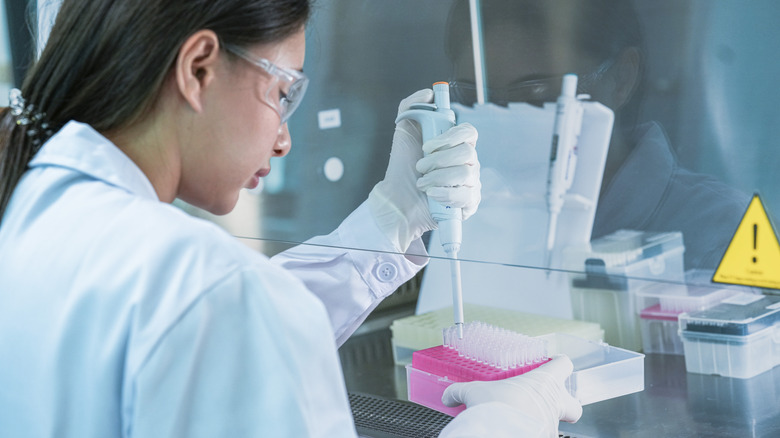
However, opinions differ on how quickly the risk is increasing, and what should be done about it. Broadly speaking, biological AI systems can already design proteins, predict viral evolution, and generate new molecular structures. This is where most of the anxiety comes from. Scientists worry that future versions could be used to create toxins, enhance existing viruses, and even develop bio-terrorism agents. It’s baseless, too. Researchers can point to research showing that advanced language models can already help users perform specialized biological tasks at levels approaching experienced scientists.
However, designing a malicious computer is only the first step. It is important to remember that producing, testing, and deploying biological agents still requires specialized equipment, technical know-how, and various other resources that remain out of reach for most people. That is why experts argue that the most effective defense would be to strengthen supervision in an area where digital designs are becoming physical. (That is, DNA synthesis companies.) Whether the Guardrails eventually go up in software or hardware, the bottom line remains: industry and researchers need to move quickly if they really want to stop amateurs from combining AI with weapons.