New Alt Protein and Bioinnovation Hubs Are Emerging From NYC to Israel
This week has been a big one when it comes to incubating the next generation of food.
Not only did GFI Israel and the Technion announce the Sustainable Protein Research Center (SPRC), but New York City also announced it would build a “bioinnovation hub” with a new $20 million grant from NYC Mayor Eric Adams’ administration.
The SPRC, which the Technion and GFI Israel say is the first of its kind in the world, will “connect the collaborative efforts of many researchers from more than ten academic departments at the Technion as well as additional universities and companies to address the world’s most pressing challenges to sustainability and human health.”
The new center will have a five-year budget of $20 million and will facilitate the recruitment of new faculty members in the field and support the “building of the Carasso FoodTech Innovation Center.” The new center will purchase and maintain major equipment and employ experts and “sponsor collaborative seed research and train graduate students and post-docs in related fields.”
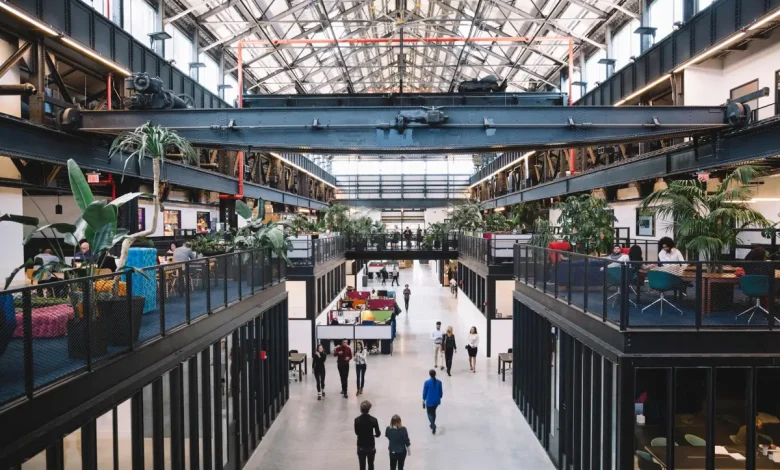
Closer to home, a new Center for Planetary Health (C4PH) will be built near the Brooklyn Navy Shipyard as part of Newlab, a collaborative innovation center and business studio. The new C4PH will be funded with $20 million allocated as part of the LifeSci NYC initiative, a new comprehensive initiative that is part of NYC Eric Adams’ “Working People Agenda”.
Adams noted the new investment as part of the town’s speech.
“We are also investing in future projects,” said Adam. “Last year, Governor Hochul and I announced a new life sciences center in Kips Bay, which will create 10,000 jobs and an economic impact of $25 billion. And this year, the city will begin an effort to become a new global center for sustainable biotech.
We will begin by opening the nation’s first incubator at the Brooklyn Navy Yard, where biotech startups will transform the way we eat, build, and protect our environment. And as we work to create more jobs, we’ll also help New Yorkers train for the jobs most in demand right now — jobs in technology, renewable energy and nursing.
At last week’s Tufts Cellular Agriculture Innovation Conference, several speakers pointed to the need for increased government investment in biotechnology innovation and manufacturing infrastructure to help finance the next wave of breakthroughs that will help the food industry of the future leap forward. Although NYC’s investment may not do anything to solve the need for billions of funding needed to produce the alt-meat industry that it will need in the future, it is a sign – like California’s $5 million budget last year – that local governments are beginning to understand that investment in the alternative protein industry can make their states more competitive – and create more jobs – when these industries start production.