Google I/O 2026 confirmed for May 19: Here’s what to expect
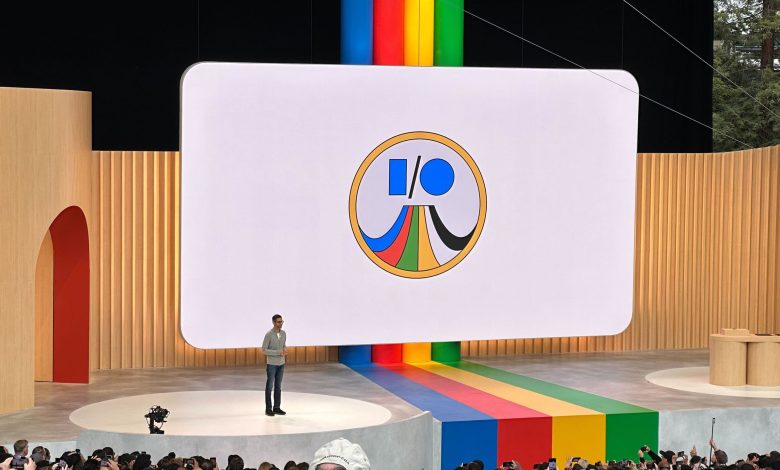
Google usually hosts its I/O conference in the second or third week of May, and although it is still a few months away, the company has already confirmed that I/O 2026 will take place on May 19 and 20 at the Shoreline Amphitheater in Mountain View, California.
Following tradition, Google released a teaser before the official unveiling of I/O 2026, but it didn’t take long for the company to confirm the dates. The keynote will begin at 10 am PT / 1 pm ET on May 19.
Android 17 and Wear OS 7
Google has changed its major Android release cycle, with major updates now arriving mid-year instead of coinciding with the Pixel launch in Q3. This happened for the first time with Android 16, and the same pattern seems to continue with Android 17. Google has already started testing the new version, it just released Android 17 Beta 1.
Android 17 is codenamed ‘Cinnamon Bun,’ and the current beta doesn’t include many visible UI changes yet, except for a few tweaks to the Pixel Launcher UI. That said, as with every I/O, Google will likely keep the major features and UI updates for Android 17 reserved for the I/O 2026 keynote.

We probably won’t see a major redesign like last year’s Material 3 Expressive overhaul, but Android 17 should still bring visual tweaks and performance improvements. There are also rumors that Google may introduce iOS-inspired glass effects or dimming, although nothing has been confirmed yet.
This year, the focus may shift more to optimizing Android for devices with a larger screen, but more on this below.
In addition to Android 17, Google is also expected to reveal Wear OS 7 at I/O 2026. Wear OS 6 has already introduced major improvements to Wear OS 5, including improvements to Material 3 Expressive performance, so this year may be relatively quiet in terms of major updates.
Android XR software and hardware updates

2026 is going to be a big year for hats. We saw plenty of smart glasses and XR concepts at CES 2026, and that momentum isn’t slowing down. Google jumped into the category early and launched Android XR as a unified platform that is expected to power many future devices. We will probably hear more updates about it at I/O 2026.
Android XR already powers devices like Samsung’s Galaxy XR headset, but we haven’t seen many other brands using the platform yet. Vivo offers its own XR headset, although it uses a customized OS instead of Android XR. That may change soon, as Google may partner with more brands to expand its XR ecosystem.
A photo 1 of 6


Apart from headsets, Google is also expected to launch a lighter version of Android XR designed for smart glasses. Reports suggest that the company has completed navigation and control documentation for Android XR glasses and shared it with developers for both standalone and display models. II/O 2026 could be where Google goes deeper into the platform.
Google has also been working on smart glasses alongside Samsung, so we may soon be looking at a commercial product during I/O 2026. Samsung has already confirmed plans to launch a Meta Ray-Ban style competitor this year.
Rumors point to two models, one with a display similar to the Meta Ray-Ban Display and one without. They are also expected to include a built-in 12 MP camera with autofocus and a Qualcomm AR chipset.
Updates to Google’s unified desktop OS (Aluminum OS)

Android 17 and Android XR might not be the only apps Google shows off at I/O 2026. The company has reportedly been working on a desktop OS that replaces ChromeOS, and I/O could be where we see it officially first. Although there have been leaks about the Aluminum OS rumours, nothing official has been announced yet.
I have long believed that Android is powerful enough to run on laptops and standard PCs. And even though Android has offered a desktop mode for some time, it never fully went away. Aluminum OS could be Google’s attempt at a standalone Android system for Chromebooks and traditional PCs.
Similar to Android desktop mode, it may support windowed applications, taskbar, status bar, and multitasking across windows. Recent leaks have also revealed that Gemini could play a major role in this.
Google has not officially approved Aluminum OS, and the name appears to be an internal codename for now. However, we expect the company to share more details at I/O 2026.
Gemini and AI development
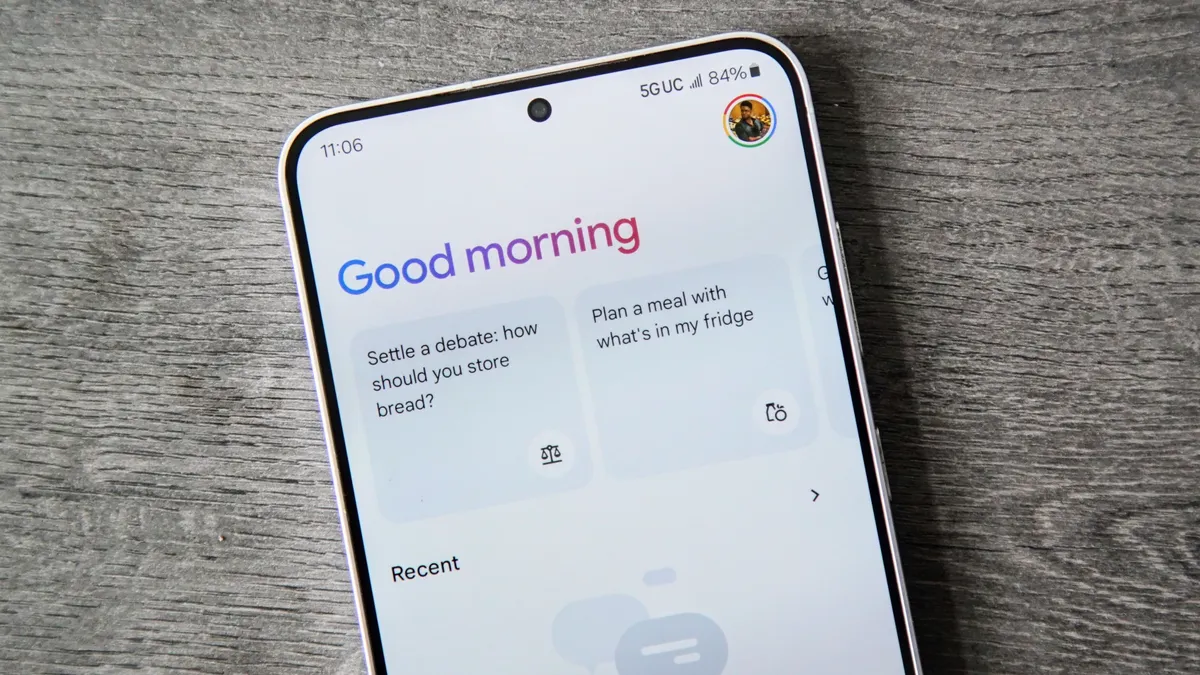
It wouldn’t be Google I/O without a big focus on AI and Gemini. Along with its growing list of applications, we fully expect Google to devote a large portion of the I/O 2026 keynote to new AI announcements.
While we can only guess at this point, it’s safe to assume Gemini’s addition to Google’s entire product portfolio. The company recently enhanced Gemini with tools like Personal Intelligence and introduced Gemini’s AI-powered Inbox in Gmail. However, for Android phones, the company has been testing giving Gemini more control over apps and system actions, and I wouldn’t be surprised to see a live demo on stage.
Previously, Google also collaborated with Apple to integrate Gemini into Apple’s AI and Siri models, so we can see updates related to that collaboration.
Beyond mobile, updates to Search, Chrome, and Google Workspace are also almost guaranteed. Google recently introduced the Universal Commerce Protocol for the agent shopping experience, to make it easier to enter the main conversation with partner demos.
We’ll be at the I/O 2026 keynote to bring you all the latest news and reports from the floor, so be sure to check back for updates.