Bose, Samsung, and Sennheiser headphones have been found to contain toxic chemicals
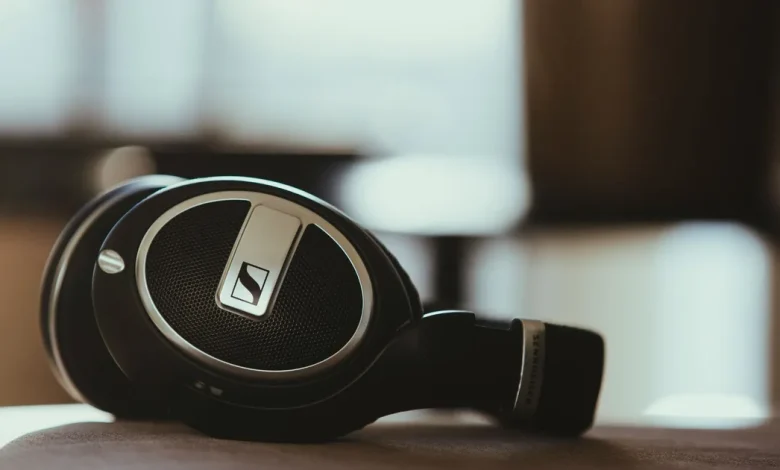
A new laboratory investigation has raised the alarm about dangerous substances in headphones – including products from major brands such as Bose, Samsung and Sennheiser, according to a Guardian report. All 81 models tested contained toxic chemicals linked to serious health concerns, findings that experts warn could affect millions of users worldwide.
All headphones tested contain harmful chemicals
Researchers from the ToxFREE LIFE for All project, a partnership of civil society organizations in Central Europe, analyzed in-ear and in-ear headphones bought in stores and online markets. Laboratory tests found bisphenols such as BPA (bisphenol A) and BPS (bisphenol S) in most of the samples – BPA was found in 98% of them, and BPS in more than a third. These chemicals are widely used as plastic additives but are known endocrine disruptors.
In addition to bisphenols, the study identified phthalates (associated with reproductive toxicity), chlorinated paraffins (linked to liver and kidney damage in animal studies), and brominated and organophosphate flame retardants. Many of these substances are associated with hormone disruption, cancer risk, and neurodevelopmental problems, raising concerns about long-term exposure.
Although many of these chemicals are found in small amounts, experts say prolonged contact — especially through sweat and heat during exercise — can increase migration to the skin. “Daily use – especially during exercise when heat and sweat are present – accelerates this migration directly to the skin,” said a chemical expert involved in the project.
Headphones have evolved from occasional accessories to everyday essentials, worn for hours at work, during workouts and in casual settings. That extensive, often close-to-skin contact has drawn attention because it provides a mechanism for chemical migration. Endocrine disruptors like BPA mimic natural hormones and have been implicated in a variety of health problems, including developmental disorders and cancer.
For consumers, the findings underscore broader concerns about chemical exposure in everyday products. Bisphenols and other similar plastic additives have been considered for regulation for many years due to their ability to leach from materials and interact with biological systems. Although individual doses from plastic headphones may be low, scientists point out that there may be a “cocktail effect” – where regular exposure to multiple sources of harmful substances over time is combined with a health risk.
Product feedback and public awareness
The major audio brands mentioned in the survey did not immediately respond to requests for comment. The lack of transparency about consumer electronics has drawn criticism from health advocates, who say there is a “market-wide failure” to disclose potentially harmful substances to consumers.
The findings add to a series of recent ToxFREE investigations, including previous work that found bisphenol A in baby products and other everyday textiles. Research groups have called for extensive regulation and banning of endocrine-disrupting chemicals in consumer goods to protect public health – especially in vulnerable groups such as children and adolescents who may be vulnerable to hormonal effects.

Health experts stress that more research is needed to measure real-world exposure levels and actual health effects from chemicals in headphones. Regulators and consumer safety groups may pursue new testing standards or labeling requirements for wearables to ensure that users are better informed about the content of the product.
In the meantime, consumers may begin to demand greater transparency from manufacturers and push for safer products. The research results are sparking an important conversation about the chemicals hidden in the products we wear around our bodies – and how everyday technology can have unexpected effects on long-term health.