Studio Headphones Face-off: Beyerdynamic DT 770 Pro X vs Sennheiser HD 620S
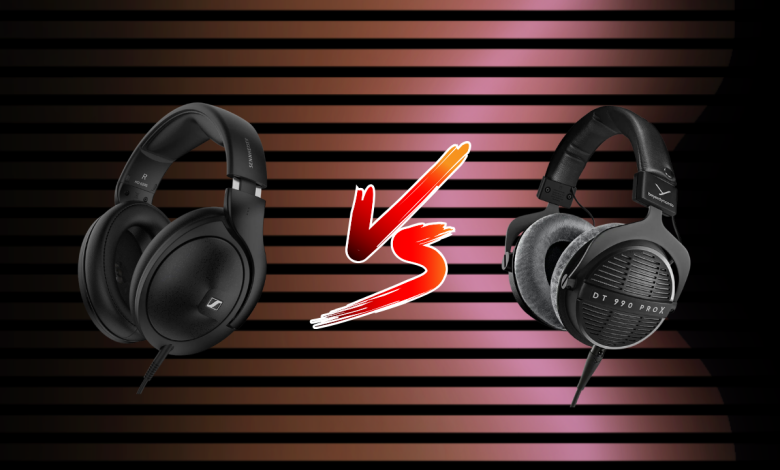
Closed-back headphones occupy a unique place in the audiophile and studio world. They promise isolation without sacrificing soundstage, and detail without feeling claustrophobic. The Beyerdynamic DT 770 Pro X and Sennheiser HD 620S both aim to redefine what modern closed-back headphones can do, but they approach that goal from very different angles. When deciding between the two, the choice ultimately comes down to whether you prioritize analytical accuracy or musical immersion. Below, we compare their sound, fit, build quality, and ideal use cases to help you make a smart choice in 2026.
What You Get
| DT 770 Pro X | HD 620s |
|
|
See & Feel
The Beyerdynamic DT 770 Pro X stays true to the brand’s studio values. Its aesthetic is functional and rugged, with a sturdy headband construction and velor ear pads that feel purpose-built for long-term tracking or mixing sessions. The overall design is functional, emphasizing reliability and comfort for long-term use in professional environments. In contrast, the Sennheiser HD 620S feels a little more refined and lifestyle oriented. The materials strike a balance between durability and beauty, and the overall design feels light in the hand. The ear cups are well positioned for comfort, and the grip feels comfortable compared to the Beyerdynamic. While both are closed designs, the HD 620S feels more subtle “studio” and more like a premium everyday headphone.
Design
The Beyerdynamic DT 770 Pro X features the company’s state-of-the-art STELLAR.45 driver platform. This dynamic driver is designed for high efficiency and a wide frequency response, allowing the headphone to deliver robust detail reproduction while remaining easy to drive. It maintains the Beyerdynamic reputation for controlled clarity and precision, making it suitable for both professional connections and portable DAC/amps. The Sennheiser HD 620S also uses a powerful driver design, specially tuned for a balanced and natural presentation. Sennheiser focused on the design of the interior acoustic chamber to improve airflow and reduce unwanted resonance. The result is a closed-back headphone that strives for open, spacious sound without sacrificing isolation.
In terms of driving, both headphones work well and do not require a powerful amplifier, or benefit from quality amplification. The Beyerdynamic relies less on studio gear compatibility, while the Sennheiser integrates easily into both home and portable setups.
Sound stage
With closed headphones, the DT 770 Pro X delivers a surprisingly wide presentation. Imaging is accurate and well-defined, making it easy to find instruments across the stereo spectrum. There is a clear sense of separation that benefits mixing and production work. However, its presentation remains focused and controlled rather than expansive. The HD 620S approaches the soundstage differently. Instead of emphasizing the visual considerations that point to it, it creates a unified and focused spatial representation. The stage may not feel as sharply defined as a Beyerdynamic, but it flows naturally, giving the music an enveloping quality that feels less clinical.
The Low End
The DT 770 Pro X delivers tight, controlled bass with a solid sound, while the HD 620s provide a smoother and more rounded bass response. If you want precision and definition, the DT 770 Pro X might be a better choice, but the HD 620s have more weight in their response. A clean and precise descent is better for mixing and testing, making the DT 770 Pro X a better tool. However, this may not satisfy listeners who want a very high response. With the HD 620s, you get warm bass that puts music first over clinical detail, all while maintaining balance.
Mids
Midrange reproduction is where the DT 770 Pro X shows its studio pedigree. Vocals and instruments are clear, detailed, and forward enough to highlight subtle nuances. The presentation sounds honest and transparent, which can reveal flaws in the recording but rewards a high-quality mix. The HD 620S delivers mids with a warm and lively character. Voices feel natural and engaging rather than isolated. There’s a smoothness here that makes long listening sessions comfortable, especially vocal-oriented music and acoustic genres.
They are high
Treble on the DT 770 Pro X is sharp and extended. It emphasizes clarity and detail recovery, giving cymbals and higher harmonics a sharper definition. For some listeners, this accuracy can reach light depending on the recording, but it undeniably improves resolution. The HD 620S delivers highs in a more controlled and refined manner. The extension remains tight, but the tuning avoids harshness. The treble fills the mids with warmth, creating a smooth high end that feels easy on the ears during extended listening.
Summary
Beyerdynamic DT 770 Pro X and Sennheiser HD 620S represent two philosophies of closed headphone design. The DT 770 Pro X excels as a dedicated studio tool. Its neutral tuning, tight bass, and detailed treble make it ideal for producers, engineers, and listeners who want precision above all else. The HD 620S, on the other hand, prioritizes the joy of music. Its balanced low end, organic mids, and smooth highs create a listening experience that feels more immersive and refined than analytical.
If your primary focus is mixing, tracking, or reference listening, the Beyerdynamic DT 770 Pro X will probably be a better fit. If you’re looking for a closed-back headphone that offers isolation without sacrificing music, the Sennheiser HD 620S stands out as a very attractive everyday companion. Both are strong performers in the closed modern category – the best choice depends on how you want your music to sound.
The Beyerdynamic DT 770 Pro X and Sennheiser HD 620s are available at Audio46.
—
MAJORHIFI may receive commissions from sales.