Aliro 1.0 Introduces: A New Digital Key Standard That Simplifies Smart Keys
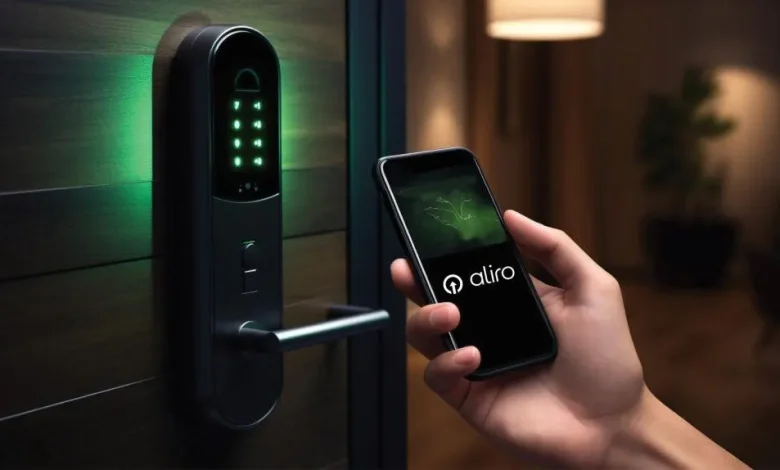
The Connectivity Standards Alliance is officially launched Aliro 1.0a new standard for digital access designed to simplify how digital keys work across locks, ecosystems, and devices.
At first glance this may sound like another industry specification that doesn’t directly affect everyday users. But if you’ve spent any time using Apple HomeKey or experimenting with new smart locks, you’ll know that digital access is one of the areas where smart homes still feel different and Aliro is trying to fix that.
A Big Idea Than Just Smart Keys
While the headline use case is obviously opening your front door, Aliro is designed to cover more than just residential smart homes. The standard is designed for offices, apartments, hotels, and shared access areas where digital information is becoming increasingly common.
The goal is to create a single framework that works across all ecosystems instead of each manufacturer building their own solution.
For consumers, that’s important because the experience of today’s digital keys varies greatly depending on which lock you buy and which platform you use.
Why This Matters to Apple Home Users
Anyone who has used an Apple Home Key knows how nice it can be when everything is in order.
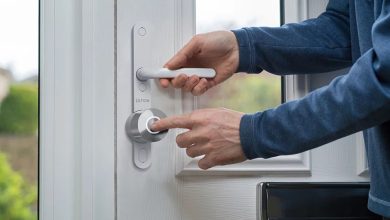
In my setup, Home Key has become one of those features that quietly changes the way you use your home. Walking up to the door with an Apple Watch on your arm, with a single tap and quick unlock, still feels more reliable and civilized than most smart home interactions.
The problem is that there are only a limited number of keys that support the Home key, and outside of the Apple ecosystem, the experience often reverts to different apps or inconsistent unlock methods.
Aliro’s goal is to reduce that conflict by creating a shared standard supported by Apple, Google, and Samsung. In theory, that means manufacturers can build and support multiple ecosystems with ease. For consumers, the hope is simple. An additional option without sacrificing experience. It also means that if the door is assigned to users with a different ecosystem, opening is easier with less friction.
Safety and Real World Performance
Aliro uses modern encryption and authentication methods to secure communication between devices and locks, but what really stands out is how the design works.
The standard supports several connection types:
- NFC tap to unlock
- Bluetooth Low Energy for long range access
- Ultra Wideband for hands free proximity unlocking
That last part is especially interesting because UWB is where digital keys start to feel truly seamless.
I recently tested the Aqara U400, which includes Apple Home Key and UWB based unlocking. UWB removes that small but significant friction of having to take out your phone or consciously activate the key. You just approach the door and respond naturally to the movement.
That experience is probably the closest a smart lock has come to feeling invisible, and Aliro looks set to bring that style of interaction to a wider range of products.
What the Manufacturers Say
Brands are already positioning Aliro as a way to simplify digital access for consumers. I recently spoke with Nelson Henry, Chairman of the Aliro Steering Committee and he was excited about the future of the standard and what it will do, and what eufy explains as part of giving users more flexibility:
“Providing the best choice to current and future customers is one of the key pillars of eufy Security’s product strategy and product portfolio. The Aliro digital access protocol offers users an accurate, simple and powerful alternative to controlling access to and from their homes, small businesses and other valuable properties.” – John Fabian, Vice President of Sales and Operations, eufy.
Aqara also highlighted how Aliro can enhance the kind of experience currently seen with the U400:
“At Aqara, we are proud to provide a smart home experience that makes people’s lives easier. Part of this journey should be to participate and quickly adopt new technologies and standards, whether it is HomeKit, Matter, or now Aliro. We have recently brought the goal of movement based on unlocking to our product with Smart Lock UBB technology and it is now easy to use Apple Home UB of Apple, and now it is easy to use Apple UW Home. others in the space of access control to bring this same, powerful to consumers by supporting a single standard that works and is supported everywhere Powered by Aliro, the U400 will bring a free UWB experience to a variety of users regardless of their operating system in the future of our portfolio.”
Real World Outlook
It’s important to be honest here. Aliro doesn’t suddenly replace the Apple Home Key or change how existing locks behave overnight. We have learned that in the release of Matter we also need to be cautious but optimistic. Levels like these take time to release, though I personally don’t think they’ll be as slow as Matter.
But the bigger takeaway is the method, because after using the Home Key every day and testing new keys like the U400, it’s clear that technology is moving towards a more casual, more natural interaction where opening your door is almost imperceptible.
If Aliro succeeds, it could help bring that same level of ease of use to a much wider range of locks while reducing the ecosystem silos that still exist today.
Aliro feels like an attempt to make that experience universal rather than ecosystem specific.
For Apple Home users, the launch doesn’t change anything today, but it points to a future with more choices, better interactions, and hopefully fewer compromises when choosing a smart key. You can learn more by visiting the Connectivity Standards Alliance website.