Apple unveils M5 Pro and M5 Max silicon with super-large design and big performance benefits
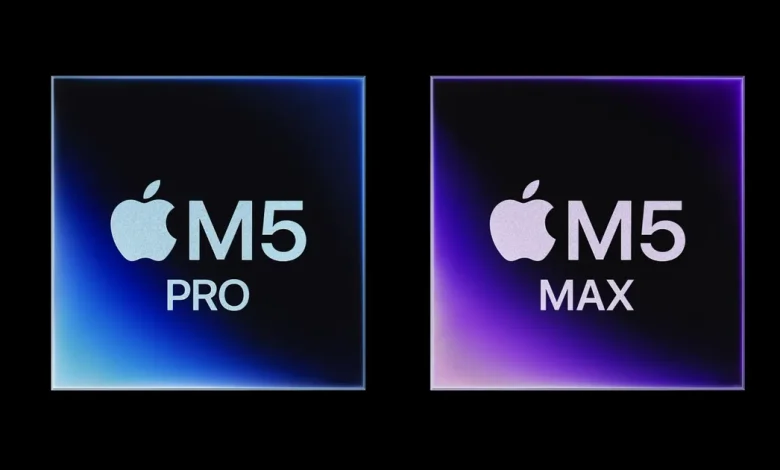
Apple has introduced its new professional silicon, the M5 Pro and M5 Max, which mark a big leap in performance for its high-end Macs. Built on a large-scale design focused on raw computing power and optimized workflows, these chips are aimed squarely at creative professionals, engineers, and anyone whose work pushes the limits of a typical laptop’s performance.
The announcement marks the continued evolution of Apple’s silicon strategy, which began with the first generation of M series chips and has gradually grown into more capable, specialized processors. With the M5 Pro and M5 Max, Apple has gone beyond incremental improvements and delivered significant performance gains that seriously challenge traditional workstation CPUs.
At the heart of this update is Apple’s commitment to combining performance and efficiency at scale
Both the M5 Pro and M5 Max use an advanced compute architecture designed to maximize performance across multi-threaded applications such as 3D rendering, video editing, and machine learning workloads. Early reports suggest that Apple’s big-core approach delivers consistently fast performance without the thermal wobbles seen in many traditional laptops.
For users, this is important because increased performance isn’t just an assumption – it translates into real-world benefits. Creators working on professional video timelines, training models for data scientists on the go, and software engineers integrating large codebases will move through their workflow faster and with fewer distractions. Benchmark results shared ahead of the launch show that the new chips can outperform many competing laptop processors while consuming less power.
The M5 Max stands out as Apple’s most powerful mobile silicon to date, offering more GPU cores and greater memory bandwidth than the M5 Pro. This makes it an ideal choice for graphics-intensive work such as 8K editing, large-scale simulation, and immersive content creation. Memory support expands significantly on the M5 Max, allowing configuration of up to 128GB of integrated memory. These large memory footprints help eliminate bottlenecks when working with high-resolution images or complex data sets.
Another notable feature of both chips is the Neural Engine and advanced media accelerators
These components enhance AI-driven workflow performance, such as on-device machine learning, image analysis, and real-time results processing. The integration of specialized hardware for these functions reflects Apple’s focus on future-oriented use cases, where AI and machine learning are woven into everyday creative and professional applications.
In short, the introduction of the M5 Pro and M5 Max means that MacBook Pro users can expect significant improvements in performance without sacrificing battery life. Apple’s design philosophy has always emphasized optimization between hardware and software, and this latest generation continues that trend. Early impressions from the art community praise the chips for their ability to support high performance over extended periods of time, something important for professionals working on long projects.

Looking ahead, Apple’s new silicon sets the stage for further development across its product line. The M5 family may soon influence the performance expectations of other Macs, including desktop systems and upcoming iPad Pro models. Developers can begin optimizing their applications to take full advantage of the expanded memory, processing power, and AI capabilities these chips offer.
For anyone in the market for a high-performance laptop, the arrival of the M5 Pro and M5 Max marks a compelling moment. They are reshaping the mobile computing landscape by combining industry-leading performance with the efficiency and integration that Apple Silicon is known for. In the months following this announcement, it will be worth watching how software developers use these chips to open up new and professional workflows.