5 phones better than the Google Pixel 10a
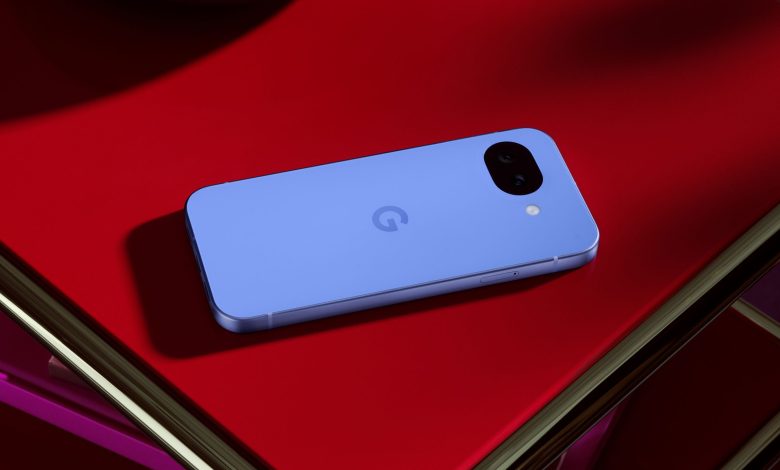
It might be earlier than expected, but the Google Pixel 10a is already official and up for pre-order. The Pixel 10a looks remarkably similar to last year’s Pixel 9a, and to some people, that might not sound like a huge upgrade (myself included).
As I mentioned recently, the Pixel 10a could be the smallest upgrade the Pixel A series has seen in years.
Google Pixel 9a
Believe it or not, the best phone you can buy instead of the Google Pixel 10a is actually Google’s Pixel 9a from last year. Going from the Pixel 9a to the Pixel 10a should have brought significant improvements, or at least meaningful changes. But the Pixel 10a is almost identical to the Pixel 9a.
There are some minor differences, like the Pixel 10a being 1mm thicker, which makes the camera even more curved with the back frame. It also gets improved Gorilla Glass 7i protection on the front, a slightly brighter display, and slightly faster cable charging. Aside from these changes and new color options, the Pixel 9a and Pixel 10a are almost identical.
The Pixel 9a features the same Tensor G4 chip, the same 5100mAh battery, and the same dual camera setup on the back. It runs the same Android version, Android 16, as the Pixel 10a. Yes, the Pixel 10a may get one more year of software updates, but that difference won’t matter much in the short term.
Google may be offering a few promotions on the Pixel 10a right now, but you can pick up the Pixel 9a for as low as $399 in the US. At that price, it’s arguably a better deal compared to the Pixel 10a.
OnePlus 15R

When it comes to value-for-money smartphones, OnePlus cannot be ignored. While the company’s R-series phones used to offer even stronger value over the years, prices have steadily increased, almost to the point of their flagship range. That said, they are still solid mid-range devices and offer excellent value for money, especially when compared to the Pixel 10a.
The OnePlus 15R is the company’s latest mid-range phone. Even though it starts at $699, which is $100 more than the 256GB variant of the Pixel 10a, it offers more powerful hardware and a better value package.
The OnePlus 15R is powered by Qualcomm’s Snapdragon 8 Gen 5 chipset. It’s not a full flagship processor, but it delivers near-flagship performance. The phone comes with 12GB of RAM and 256GB or 512GB of storage.
Up front, you get a large 6.83-inch AMOLED display with a refresh rate of 165Hz, backed by a large 7,400mAh battery with 80W charging support. Of course, it doesn’t include all the AI-focused features of the Pixel 10a. There’s no Pixel Screenshots app, no camera training features, and no similar AI-powered tools.
But if you value solid hardware and a clean software experience over AI enhancements, the OnePlus 15R is arguably the better deal.
Samsung Galaxy S25 FE

While the spotlight is now on the new Samsung Galaxy S26 series, the Galaxy S25 FE remains an excellent mid-range option. It launched at $650, which is higher than the retail price of the Pixel 10a, but you can now get it for around $450, making it a very compelling alternative.
On the front, you get a large 6.7-inch AMOLED display with a 120Hz refresh rate and strong protection thanks to Gorilla Glass Victus+. It runs Android 16 out of the box and will probably get One UI 8.5 soon, bringing several new Galaxy AI features.
On the back, you get an additional 3x telephoto lens, which makes photography a lot easier. The Pixel 10a doesn’t offer a telephoto lens at all.
Although the battery is smaller at 4,900mAh compared to the Pixel 10a, you get 45W fast charging, while the Pixel 10a supports 30W. Overall, both phones are similar, but if you value a dedicated phone camera, prefer One UI, and want a larger display, the Galaxy S25 FE is a good option.
Moto Razr+ (2024)
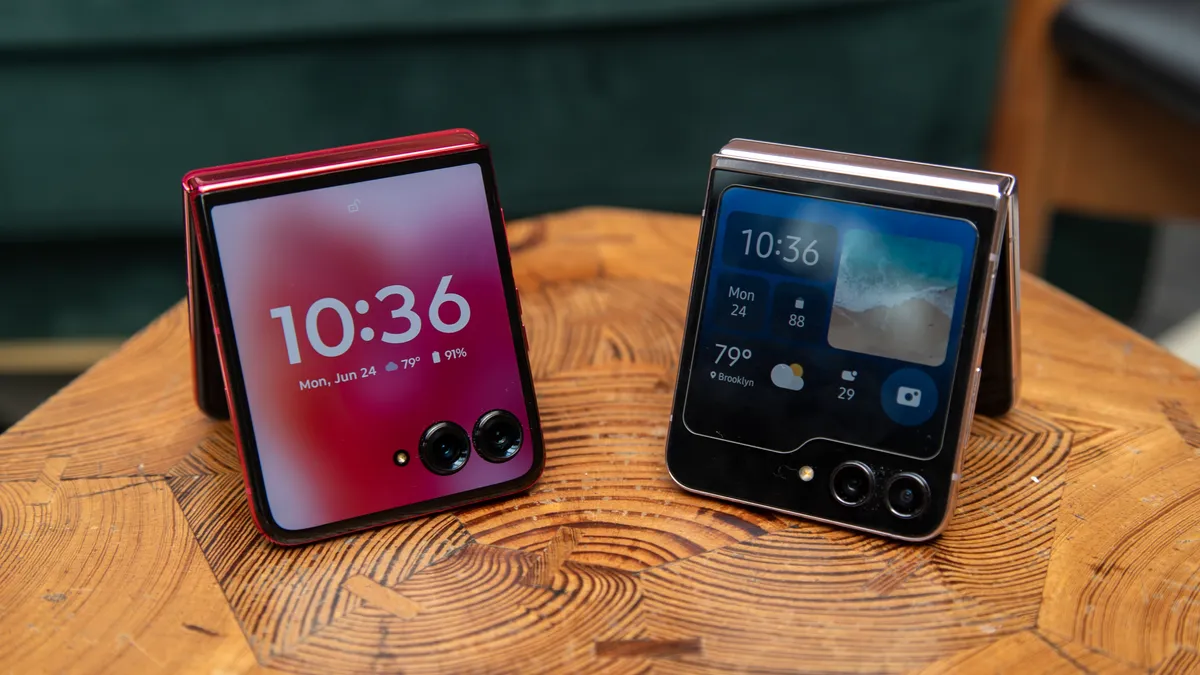
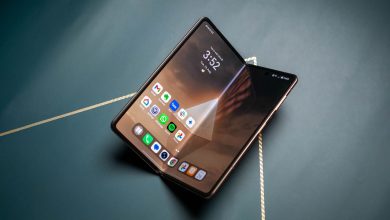
Spending less than a flagship doesn’t mean you can’t try something new, and that’s exactly what the Moto Razr+ (2024) offers. The Pixel 10a is a regular slab smartphone, but the Razr+ 2024 comes with a flip-style foldable design that you often see on high-end devices.
Sure, it’s a slightly older smartphone, but it still offers a lot of outstanding features and a fun form factor to try out. The Razr+ 2024 features a 4-inch edge-to-edge cover display protected by Gorilla Glass Victus. When turned on, it reveals a large internal 6.9-inch AMOLED display with a 165Hz refresh rate and Dolby Vision support.
It comes with a dual 50MP camera setup, including a 50MP primary sensor with f/1.7 aperture and OIS, and a 50MP telephoto lens that offers 2x zoom. Like most clamshells, you can use the front camera to take selfies, which delivers better results than you get on most mid-range phones, including the Pixel 10a.
Under the hood, it runs on a Snapdragon 8s Gen 3 chipset. It might not be the latest processor, but considering you’re paying mid-range prices for a foldable clamshell, the performance will hold up well.
The only downside is the longevity of the software. The Razr+ 2024 launched with Android 14 and is promised three major OS updates. That means that after Android 16, only Android 17 is left.
If you prioritize long-term software support and AI features over a foldable experience, the Pixel 10a might be a safer choice. But if you want to try a new form factor without paying the premium prices, the Razr+ 2024 remains one of the most interesting options available.
Nothing Phone 3a Pro
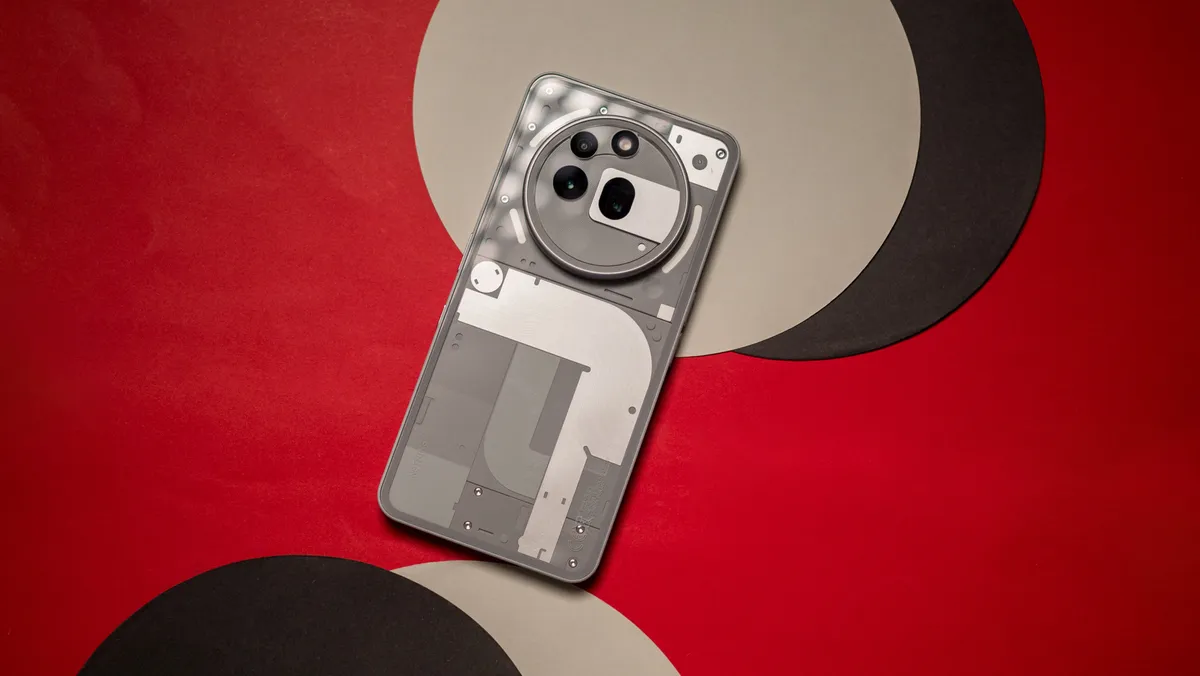
If you find the Pixel 10a simple, a solid alternative to consider is the Nothing Phone 3a Pro. The Nothing Phone 3a Pro carries the signature industrial design language and Glyph LEDs on the back and a different camera module that is not at all similar to the Pixel 10a.
If you’re attracted to the Pixel for its clean software experience, Nothing OS offers something similar. It’s close to stock Android and feels lightweight and smooth. However, the phone was launched with Android 15 and has already been updated to Android 16. There are no promises of three major Android updates in total, which means there are only two more updates left.
Up front, you get a large 6.77-inch AMOLED display with a 120Hz refresh rate. Compared to the Pixel 10a, it also includes a 50MP 3x telephoto lens and supports 50W fast wired charging. The main drawback, however, is US carrier compatibility. The phone works legally with T-Mobile and AT&T, but some users have reported problems on Verizon’s networks.
Additionally, you may want to wait a week before making a decision, as the Nothing Phone 4a Pro is also expected to launch soon.