Calls to ‘Cancel ChatGPT’ Grow Over Recent Defense Department Agreement
Silicon Valley has a difficult history with the United States Department of Defense, which often chooses not to brag about the deals it strikes. But under President Donald Trump and Defense Secretary Pete Hegseth, those arrangements are changing dramatically. AI continues to be the biggest debate of the 2020s, and Uncle Sam is looking for some great robotic intelligence for himself. To that end, the Pentagon has been pursuing deals with other major players in the AI space — culminating last week in a major defense contract with ChatGPT developer OpenAI. Many have watched with concern as Hegseth tries to extract ethical concessions from competing companies, and now that the agreement is in place, they worry that OpenAI’s capabilities could be used in warfare or to monitor civilian casualties.
Backlash is now growing against the former nonprofit, with users around the world expressing outrage at the potential misuse of AI for military or intelligence purposes. A growing movement now wants to boycott OpenAI products like ChatGPT, and an organization called QuitGPT is planning a protest at OpenAI headquarters in San Francisco. Opponents point to the Pentagon’s insistence on using AI “for all legitimate purposes,” as a Pentagon official told Axios, and its refusal to block the collection of citizen information.
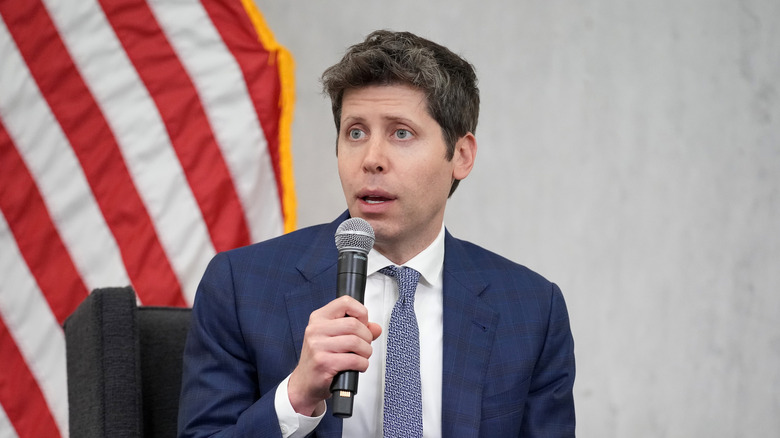
OpenAI CEO Sam Altman admitted in a March 2 post to X that the deal looked “sloppy and opportunistic,” and said his company intends to revise its contract with Uncle Sam to include safeguards for surveillance, including the use of non-private data. He added that the DoD has confirmed that agencies such as the NSA will not be able to access OpenAI services without changes to the contract.
ChatGPT is skyrocketing after OpenAI signed the Pentagon deal
Drone strikes and mass surveillance may be uppermost in the minds of those concerned about military misuse of OpenAI’s artificial intelligence tools, but the Pentagon is far from the only use of the technology. But while there are applications ranging from asset development to personnel management, the Pentagon’s apparent eagerness to unleash more destructive AI capabilities has resulted in a significant drop in user retention. Users have been sharing screenshots of canceled ChatGPT subscriptions and urging others to move away from the product. A new group called QuitGPT, which is advocating for alternatives to ChatGPT, says it has seen 2.5 million interactions since the store’s launch.
According to the market analysis company Sensor Tower, the ChatGPT application saw the largest daily increase in releases on February 28, the day of the joint American-Israeli attack on Iran. Withdrawals increased by 295%, reflecting widespread disapproval of the joint war effort. According to a March 1 poll conducted by the Washington Post, anti-war sentiment among American adults polled 13 points above water, with 52% opposing Saturday’s air strikes.
OpenAI may not have had prior knowledge of the attack, but the US initiated a highly threatening posture towards Iran in the weeks leading up to the deal, moving some of its largest aircraft carriers – including the USS Gerald Ford and the Abraham Lincoln – within striking distance of the nation. That any company that takes this deal will quickly find out where the government’s red lines are is evident.
Anthropic is likely to be the beneficiary of the OpenAI deal
ChatGPT’s public relations frenzy after the Defense Department deal cemented Anthropic’s “good guy AI” reputation. Claude’s popular interviewer refused to sign an agreement with the Pentagon just hours before OpenAI stepped in to seal the deal, citing the government’s refusal to enter a ban on the use of AI tools for mass recruitment. The concept of mass surveillance has plagued the AI industry since the launch of ChatGPT in late 2022. It’s one of the most painful situations that the current generation of AIs can create, and Anthropic was unable to get approval from the government to alleviate those concerns before the Friday evening deadline of February 27.
Anthropic’s rejection caused an outpouring of positive feelings within the community, with many praising the AI lab for sticking to its goals. Sensor Tower’s analysis, which showed a significant drop in ChatGPT app releases after the OpenAI deal, also tracked a corresponding increase in Claude’s downloads.
For some, that halo effect was only enhanced by the vitriolic response from the White House, when Secretary Hegseth designated the company a “supply chain risk,” a term that prevents the company from facing any corner of the US government. However, sources with knowledge of the military’s use of AI confirmed to the Wall Street Journal that Claude had been used in Saturday’s trap for the first strikes in Iran.