Apple describes the MacBook Neo as its most reusable product ever
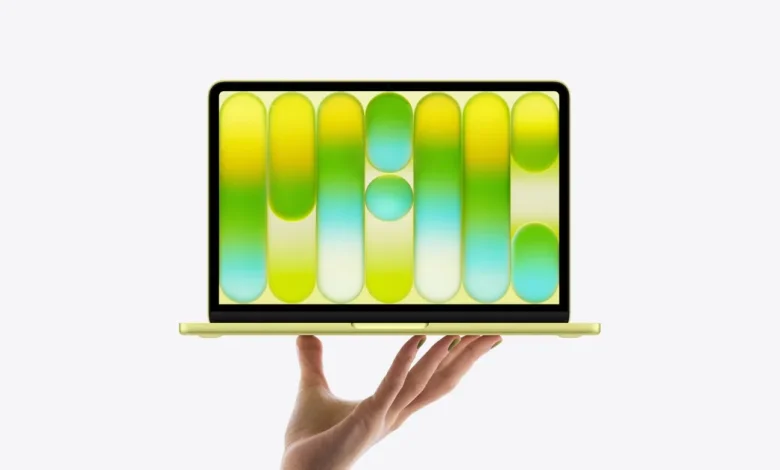
Apple says its newly launched MacBook Neo is the company’s most environmentally sustainable product to date, incorporating more recycled materials than any previous Apple device. This claim was highlighted by Molly Anderson, Apple’s vice president of industrial design, in a recent interview discussing how the company went about designing its new entry-level laptop.
Apple’s Sustainability Push With MacBook Neo
Apple introduced the MacBook Neo in early March as its most affordable laptop yet, starting at $599, with a discounted price of $499 for students. The device targets first-time Mac buyers, students, and everyday users who need a laptop capable of tasks such as web browsing, documenting, and basic productivity.
Despite the low price, Apple says the MacBook Neo was designed from the ground up rather than by reusing old materials or cutting corners. According to Anderson, the design team wanted the laptop to remain clearly part of the MacBook family while looking for ways to reduce environmental impact.
The company achieved this in part by significantly increasing the proportion of recycled materials used in every device. The MacBook Neo contains nearly 60 percent recycled content by weight, making it Apple’s most recycled product to date.
Recycled parts appear in several parts of a laptop. The aluminum chassis uses about 90 percent recycled aluminum, while the battery includes 100 percent recycled cobalt and 95 percent recycled lithium. Apple also uses recycled rare earth materials for magnets and recycled metals for circuit boards and structural components, as well as fiber-based packaging.
According to Apple, these changes are part of its broader efforts to reduce the footprint of its hardware while maintaining the design quality the company is known for.
Designing a Low-Cost Mac Without Cutting Quality
One of the key challenges Apple faced was balancing affordability with design integrity. Most laptop manufacturers cut costs by switching to plastic bodies or cheaper materials, but Apple deliberately avoided that approach.
Instead, Anderson explained that the team started with a new design process while continuing to use high-quality materials like aluminum. He noted that the goal was to keep the device “a MacBook” rather than making it feel like a low-end product.
The MacBook Neo also introduces a playful design language with color options including Blush, Citrus, Indigo, and Silver, while maintaining Apple’s familiar minimalist aesthetic.
Under the hood, the laptop is powered by Apple’s A18 Pro chip, marking the first Mac to use an iPhone-class processor instead of the company’s M-series chips. The switch helps Apple reduce manufacturing costs while still delivering strong performance for everyday computing tasks.
The device has a 13-inch Liquid Retina display, Wi-Fi 6E connectivity, and a battery life of up to 16 hours, positioning it as a lightweight device for everyday productivity and entertainment.
Why the MacBook Neo Matters
The MacBook Neo represents a significant change for Apple’s Mac lineup. For years, the company lacked an entry-level laptop under $900, leaving much of the budget market dominated by Chromebooks and low-cost Windows PCs.

By introducing the $599 Mac, Apple is trying to make its ecosystem accessible to a wider audience while maintaining its premium design philosophy. At the same time, heavy use of recycled materials is in line with the company’s long-term environmental goals.
Apple has committed to making all of its products neutral by 2030, and increasing the use of metals and recycled materials is an important step in reaching that goal.
Apple MacBook Neo Availability
The MacBook Neo is scheduled to be widely available from March 11, following the start of pre-orders earlier this month.
If the device is successful, it could reshape Apple’s strategy in the entry-level laptop segment. The combination of affordability, recycled materials, and classic MacBook design could make the Neo especially appealing to students and first-time Mac buyers.
More broadly, the laptop shows how Apple is trying to integrate sustainability goals into mainstream consumer products — suggesting that recycled materials could become a standard across many devices in the company’s lineup.