What is the Estimated Lifespan of a Dishwasher? Here’s what the data says

If you’re finally at the age where you understand why the contestants were so excited to win that new appliance package on The Price is Right, you’ve probably replaced your washer and dryer or dishwasher in your time. Peeling off the protective plastic of that new stainless steel appliance is fun, and your kitchen may look great, but we all want our investment to last. Nothing ruins the joy of a new machine like breaking down too soon, but what is the average lifespan of a modern machine?
Like most things in life, the answer is not easy. Life expectancy depends on many factors, including the type of machine, how often you use it, what you do to maintain it, environmental factors, and the quality of the machine itself. If you’ve recently invested in a new dishwasher or are planning a kitchen renovation, you can expect your dishwasher to last about ten years, according to Consumer Reports. Most experts agree on that lifespan: The Association of Home Appliance Manufacturers gives that particular appliance an average lifespan of about 12 years, while the International Association of Certified Home Inspectors says dishwashers typically last about nine years.
With all that being said, you can expect to get ten years of service from your trusty dishwasher, although those 10 years may not always be problem-free. Consumer Reports survey data from members shows that about 23% had problems in the first five years that required repair. Fortunately, there are tricks and tips that can extend the life of your dishwasher.
Choosing and maintaining a dishwasher
Choosing a dishwasher can be a lot like shopping at the grocery store – the choices seem endless and overwhelming. Your first consideration is simple, though: size. Are you buying a standard 24-inch under-counter model, or do you need a smaller, more portable option? Once you know that, you can narrow down your choices a bit. Most experts recommend a stainless steel interior over plastic, unless you’re on a tight budget. Stainless steel is quiet and usually durable and requires little maintenance. You should also consider how the rack design and cycle options meet your needs, then decide on one of the most reliable dishwasher brands.
After your new dishwasher has been installed, there are a few simple steps you should follow to maintain it so you don’t have to repeat the process again in a few years. You may remember your parents insisting that you wash the dishes before putting them in the dishwasher. Consumer Reports says that’s not necessary with modern dishwashers, but you should wipe off food residue first.
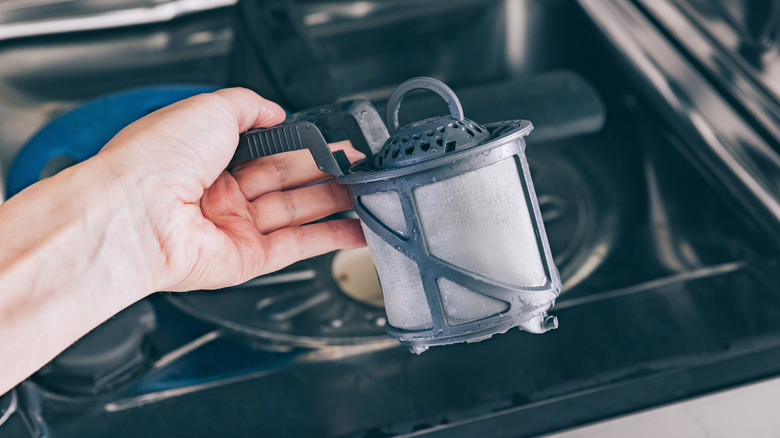
Those pieces of food can clog pipes and ducts and damage the filter, leading to expensive repairs. You should also wash the filter from time to time and clean it with a soft sponge. If you have hard water, be sure to clean the residue inside your dishwasher, and check the nozzles to make sure they are clear. Finally, be very careful that everything you put in the dishwasher is really safe. Sharp knives can damage racks, small plastics can melt, and grease and oil can clog drains.