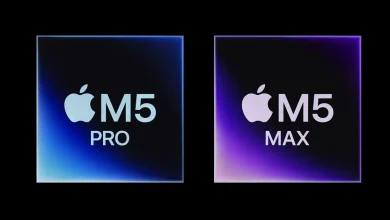
Apple isn’t done yet as a new wave of Macs is slated for 2026

Apple appears to be gearing up for a busy year for its Mac lineup in 2026, with many new models expected to arrive at various price points. Reports suggest that the company is working on a range of updated Macs, from entry-level laptops to powerful professional machines, as it continues to expand the role of in-house silicon and strengthen its position in the global PC market.
The upcoming launch follows Apple’s strong push to modernize its Mac portfolio after switching from Intel processors to its own Apple Silicon chips. Since that shift began, Apple has introduced faster and more efficient computers that integrate tightly with its broader lineup of devices and services.
Apple’s next Mac strategy
According to recent reports, Apple plans to release several Macs in 2026, targeting both general consumers and professional users. Rather than launching all the products at once, the company is expected to spread these launches across multiple announcements throughout the year.
On the upside, Apple is likely to refresh its MacBook Pro and desktop devices with new generations of Apple Silicon. These updates are expected to bring improved performance, better graphics capabilities, and stronger AI processing features that can support more complex applications.
Apple is believed to be experimenting with new manufacturing methods and materials, including advanced aluminum production methods that could improve durability and sustainability while optimizing production. This development reflects the company’s broader focus on refining not only the hardware performance but also the manufacturing processes behind its devices.
The newly launched MacBook Neo
One of the biggest recent additions to Apple’s lineup is the MacBook Neo, an entry-level laptop designed to bring the Mac experience to a wider audience. The device starts at $599, making it the most affordable Mac laptop ever released by Apple.
The MacBook Neo features a 13-inch Liquid Retina display, an aluminum body, and runs on the A18 Pro chip, the same processor that was originally used in the iPhone 16 Pro series. This marks the first time Apple has used an iPhone-class chip in a Mac instead of its M-series processors.
The laptop includes 8GB of integrated memory, storage options starting at 256GB, and two USB-C ports, as well as a 1080p camera, Magic Keyboard, and support for surround sound speakers. Apple is positioning the device as a lightweight everyday computer for browsing, productivity, and creative work.
By introducing the MacBook Neo at a lower price point, Apple aims to compete directly with Windows laptops and Chromebooks, especially in the education and entry-level markets.
Why Mac extensions are important
The Mac division has become very important to Apple’s overall strategy. Macs now work closely with other Apple products such as the iPhone, iPad, Apple Watch, and Vision Pro, enabling features such as seamless file transfer, shared applications, and various productivity tools.

Expanding the Mac lineup allows Apple to attract more users to the ecosystem. A wide product range—from budget laptops to high-end workstations—helps the company appeal to students, everyday consumers, engineers, and creative professionals alike.
The introduction of affordable Macs could also increase Apple’s competitiveness in the broader PC market, where Windows laptops dominate the low-end segment.
Next
While Apple has not officially confirmed its full Mac roadmap for 2026, the company’s latest announcements suggest that more updates are likely in the coming months. Future releases could include upgraded versions of the MacBook Air, updated versions of the MacBook Pro, and new desktop machines powered by next-generation Apple Silicon.
If the rumored plans come to pass, 2026 could be Apple’s busiest year for Mac launches in recent memory — combining inexpensive entry-level machines like the MacBook Neo with powerful upgrades for professionals and power users.