Samsung One UI 9.0: Everything you need to know
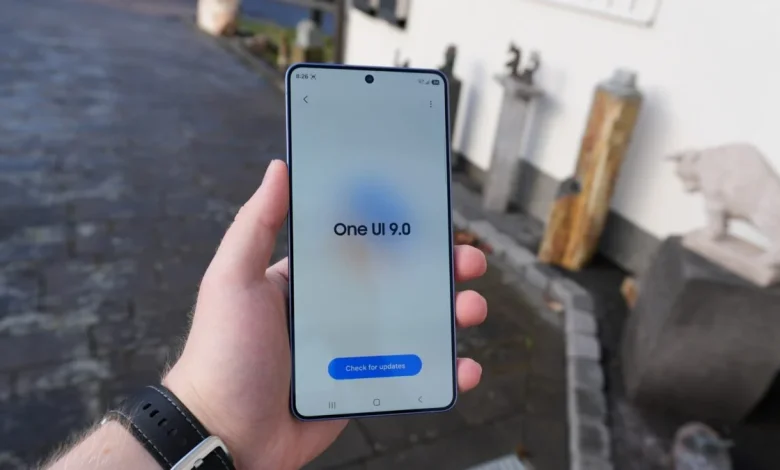
One UI 9 is the ninth major version of Samsung’s One UI software for phones and tablets. It is based on Android 17 and brings new capabilities, features, and other UI design changes compared to previous versions. Samsung has not officially announced the software yet and is still developing it internally. However, the first internal build of One UI 9 has surfaced, and so far, it shows only minor changes.
One UI design 9.0
As One UI 8.5 introduced major UI design changes, One UI 9.0 is not expected to bring similar major updates. Samsung has made the display brightness and volume sliders bigger, and the lock media player widget has been enhanced with colorful waveform animations.
There are also a few minor UI tweaks. For example, the lock screen media player now shows the option “This phone” instead of “Media Output” to select audio output devices. Some media controls now appear as round buttons rather than being grouped inside a round rectangular container. Most other apps look the same as they did in One UI 8.5.
There may be more glass UI effects throughout One UI 9.0. Future beta versions may reveal more UI changes.
One UI 9.0 features
One UI 9 introduces new and improved Galaxy AI features. Samsung has also moved Parental Controls to a separate section in the Settings app. Previously, it was located within the Digital Wellbeing menu in One UI 8.5 and earlier versions. Since the development is still in its early stages, no new features have been widely seen yet.
Under the hood, One UI 9 is based on Android 17 and includes several important platform improvements. For example, users can open any app in a floating bubble. Google also makes apps flexible across different screen sizes, preventing developers from locking apps to a specific shape or aspect ratio. This encourages developers to develop applications for phones, tablets, tablets, and even larger devices.
Android 17 also introduces a system-level selector, which allows apps to only access contacts that users explicitly grant permission to. Previously, giving a contact access allowed apps to view the entire contact list. In addition, Android 17 features Advanced Protection Mode for enhanced protection.
Google has also developed support for direct satellite connections when mobile networks are not available. Other improvements include better distance measurement between compatible devices using ultra-wideband (UWB) and general performance improvements and useful gaming features.
Other Android 17 features are expected to be announced at Google I/O 2026, and many of them could be integrated into One UI 9 with Samsung enhancements.
One release of UI 9.0
One UI 9.0 is expected to arrive in mid-2026. The Galaxy Z Flip 8 and Galaxy Z Fold 8 may be the first Samsung devices to use the new software. Before that, Samsung could open the One UI 9 Beta Program for selected high-end devices, including the Galaxy S26 series.
A few weeks after the initial release, the One UI 9.0 stable update is expected to expand to other eligible flagship phones and tablets. Samsung will gradually roll out the update to mid-range Galaxy devices.
One device compatible with UI 9.0
Samsung usually offers three major Android OS updates for their devices. Most of the latest high-end phones are eligible for up to seven major Android updates, while mid-range and entry-level devices typically receive up to six major updates. Below is a list of all Galaxy devices eligible to receive the One UI 9.0 update.
Galaxy S series
Galaxy Z series
Galaxy A series
Galaxy Tab series
Galaxy F series
The Galaxy M series
Galaxy XCover series