Sony Patents Full Touch Screen PlayStation Controller

The PlayStation 5’s DualSense controller is already considered one of the greatest ever, but that doesn’t mean Sony plans to copy and paste the design of its next console. But how do you improve on what many call the best controller ever made? Sony recently patented a design that may give us a clue or two. According to the file, this PlayStation controller will replace almost every traditional button and joystick with touch-sensitive surfaces and optical sensors. The patent creates a gamepad with little or no physical input, allowing gamers to create fully customizable virtual controls that they can adjust to fit different layouts or preferences.
The controller’s patent describes an input interface that can recognize touch, tap, swipe, press, pinch, and even joystick-style movements. Optical sensors embedded under the surface will not only register contact, heat, and pressure but also detect “pretouch”: that is, movement approaching the controller before the finger touches. The controller can automatically detect users and load customized controller profiles.
The inclusion of a file means that this concept will be a solution to long-standing complaints about fixed controller architectures. Traditional designs can be too big or too small for some players, and the placement of fixed physical buttons can limit flexibility and accessibility alike. For decades, gamers have had to adapt to hardware rather than alternatives. Sony’s proposal tries to change that model, giving gamers a controller that can be digitally reconfigured without changing its physical shape.
Why history tells us to take this with a grain of salt
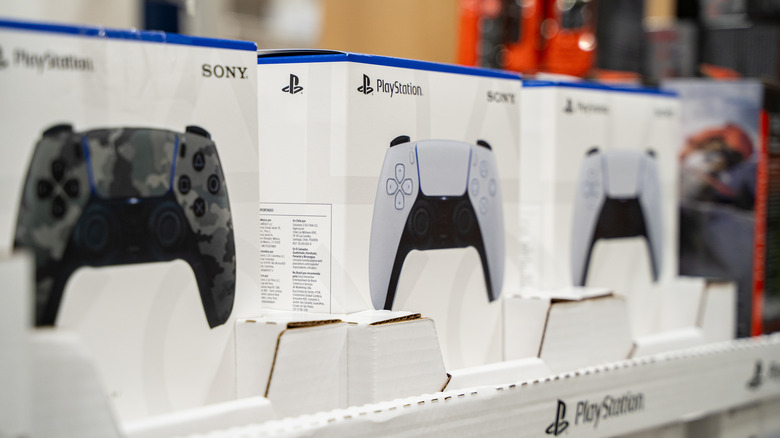
Of course, we have to make one thing clear: this is not the first patent out of this world that has been filed for PlayStation. Sony has reimagined its controllers with similar inclusions many times before. All this recent patent really promises is that the company wants to make a big change. Whether that big change will be a full touchscreen remains to be seen.
Plus, the idea of doing away with physical buttons isn’t exactly new to Sony… and the idea has faced tons of resistance in the past. Often players choose tactile feedback, such as a different click of a face button or the resistance of an analog stick. And while a fully digital environment would offer a host of accessibility benefits and unprecedented levels of customization, it would also take away the muscle memory and tactile sensation that many players rely on.
That doesn’t mean PlayStation can’t make it happen. Sony’s history shows a willingness to experiment, and custom controllers continue to sell well across the industry. But at the end of the day, patents actually serve as ways for companies to protect ideas… not to drop easter eggs or make promises to consumers.