Sony WF-1000XM6 vs Bowers & Wilkins Pi8 — The Ultimate True Wireless Earbuds Showdown in 2026
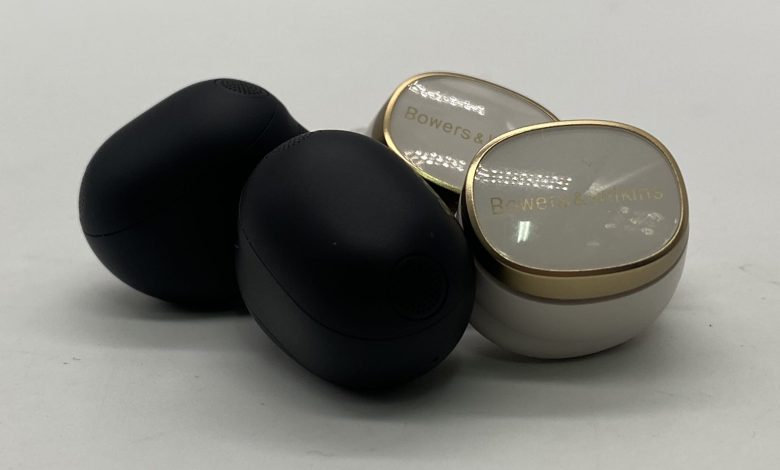
Sony and Bowers & Wilkins are two of the most respected names in personal audio, and true wireless earbuds reflect two very different philosophies. The Sony WF-1000XM6 pushes the boundaries of active noise cancellation and smart features, while the Bowers & Wilkins Pi8 aims squarely at audiophile-level music in a compact wireless way. If you’re shopping for the best premium noise-cancelling earbuds in 2026, this detailed comparison will help you decide which one deserves a place in your daily rotation.
What You Get
| WF-10000XM6 | Pi8 |
|
|
See & Feel
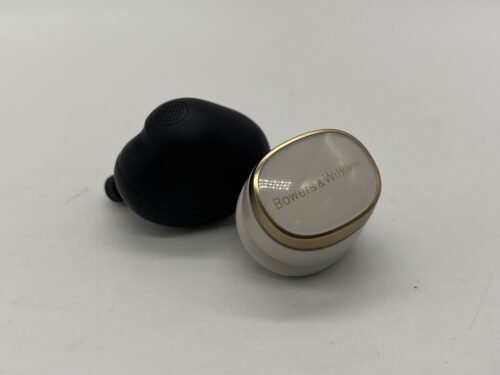
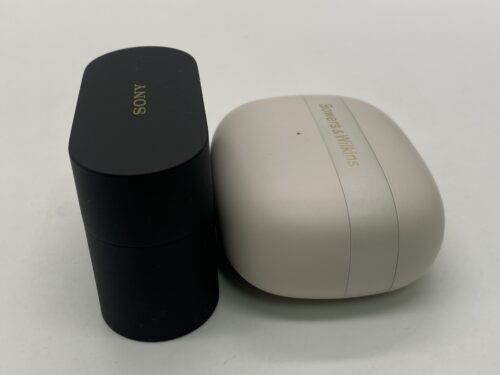
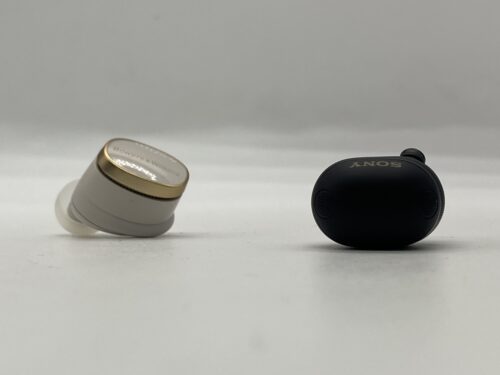
Sony’s design approach with the XM6 leans towards functionality over minimalism. The housings are slightly larger than previous generations, mainly due to the expanded microphone array and internal processing hardware. While the earbuds feel sturdy and premium, the fit may vary depending on the ear shape. The finish is sleek and modern, in line with Sony’s industrial aesthetic. They feel like high-tech tools designed for serious everyday use, especially for commuters, travelers, and office environments.
Pi8 presents a comfortable and refined appearance in terms of style. Bowers & Wilkins leans on its hi-fi heritage, giving the earbuds a polished finish that feels closer to boutique audio gear than traditional tech accessories. The fit is secure and comfortable, and the overall design feels deliberate and premium. Where Sony feels engineered, the Pi8 feels curated. Sony emphasizes usability and performance. Bowers & Wilkins prioritizes beauty and aesthetic refinement.
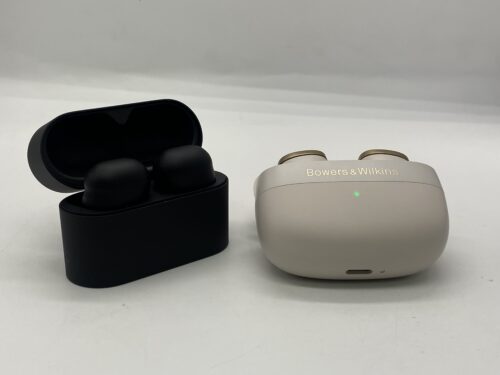
Design and performance
The XM6 includes Sony’s HD Noise Canceling Processor and multiple microphones to deliver accurate environmental detection. The touch controls are responsive, and the accompanying app allows extensive customization, including EQ adjustment, adaptive volume control, and multi-point pairing. The feature set is extensive and easy to use, making the XM6 one of the best true wireless earbuds available.
The Pi8 keeps performance focused and streamlined. The app offers EQ control and ANC adjustment, but the overall philosophy is less about algorithm-driven features and more about delivering clean signal processing and stable wireless performance.
Noise Cancellation
Sony continues to dominate in active noise cancellation. The XM6 delivers impressive compression across the low and mid frequencies, especially in busy environments such as public transport or airplanes. Mid-to-high frequency reduction is significantly improved, creating a space-filling effect in most cases. It’s among the most powerful ANC features available in true wireless earbuds.
The Pi8 provides robust noise cancellation, effectively reducing ambient noise in everyday situations. However, it doesn’t match the isolation power of Sony’s flagship. Instead, his ANC feels natural and less aggressive.
Bluetooth
The WF-1000XM6 uses Bluetooth 5.3 with wide codec support, including SBC, AAC, and LDAC. LDAC enables high-resolution audio streaming on compatible Android devices, allowing for almost lossless wireless quality. Sony also supports seamless multi-point pairing, making it easy to switch between devices without manual disconnection. Stability and range are excellent, even in congested wireless environments, underscoring Sony’s focus on communication reliability.
The Pi8 also uses Bluetooth 5.x (latest generation) which supports SBC, AAC, aptX Adaptive, and aptX Lossless codecs. The inclusion of aptX Lossless is particularly noteworthy, providing completely lossless audio streaming via Bluetooth to compatible devices, which many competitors do not yet support. This makes the Pi8 particularly compelling for users who prioritize wireless reliability and are invested in devices that can take advantage of high-end codecs. The Pi8 pulls a bit further with potential sound quality thanks to aptX Lossless, while the XM6 offers wider device compatibility and multi-point usability.
Battery Life
About 8 hours per charge ANC is on, with some cases delivering about 24 hours of playback. This makes the XM6 travel-friendly for long-term use. About 6–6.5 hours on a charge with ANC on, total battery life is close to 20 hours including the case. Fast charging helps make up for the short run time. The XM6 is the clear winner here.
Sound stage
The XM6 offers a surprisingly wide soundstage for true wireless earbuds, while the Pi8 presents a more intimate stage but with greater depth and dimensionality. With the Pi8, tools feel more naturally placed, and landmarks seem natural rather than digitally enhanced. Imaging is still accurate on the XM6, separation remains stable even in dense mixes. Overall, the XM6 is more impressive in scope, but the Pi8 is still better in depth and realism.
The Low End
With the XM6, the bass frequencies are tight, controlled, and impactful. The sub-bass extension is satisfactory without bleeding into the mids. Sony balances power with clarity, making the XM6 adaptable to all genres. The Pi8’s bass is more textured and nuanced. Rather than emphasizing punch, it focuses on richness of tone. The low end sounds round and refined, especially with acoustic and jazz recordings. For those who enjoy Sony’s brand of low-end punch and authority, the XM6 has never sounded better, but if you prefer more texture and natural warmth, the Pi8 will fit your profile better.
Mids
This is where the Pi8 really excels. Voices sound sweet and focused, with a rich feel that feels more dignified than consumer-oriented. There is an emotional weight and smoothness that is immediately apparent. However, the XM6 is still putting a lot of effort into improving its mid-range resolution. Midrange is clean and forward enough to maintain vocal clarity. It doesn’t overly color the sound, keeping the tuning modern and flexible. I still prefer the Pi8 here, but the XM6 is much closer to the Pi8 in quality than most other true wireless earbuds.
They are high
The treble is incredibly powerful with the XM6, while the Pi8 remains smooth and refined. If you like a little sparkle in your high frequencies, the XM6 should be your choice, but if you’d like to have more natural extension with a more relaxed presentation, the Pi8 will be easy to digest.
Summary
Both earbuds represent excellent performance in 2026, but they serve different listeners. Sony’s WF-1000XM6 is a well-rounded star for everyday use, while the Bowers & Wilkins Pi8 is the choice for audiophiles who want wireless fidelity and musical depth. Your choice ultimately depends on whether noise cancellation and features are more important than audiophile-leaning sound quality, but either way, you’re getting world-class earbuds.
The Sony WF-1000XM6 and Bowers & Wilkins Pi8 are available at Audio46.
—
MAJORHIFI may receive commissions from sales.