The ultimate all-rounders: ode to games consoles as multimedia home cinema hubs
In case you missed it, Netflix ended support for the PlayStation 3 (PS3) last week.
You probably didn’t miss it, as the PS3 is approaching 20(!), and unlikely to be your go-to Netflix (unless in despair you will watch Stranger Things on CRT TV in 4:3 aspect ratio).
The article continues below
This paved the way for the PlayStation 2, notable for not only having a built-in DVD player but also being cheaper than most standalone DVD players at the time. The PS2 remains the best-selling console of all time with 160 million units sold – and who knows how many of those sales are specifically for those after an affordable DVD player.
It was around the birth of our beloved Blu-ray that video game consoles had a significant impact on the future of home cinema. The great battle of Blu-ray vs HD DVD was won in no small part due to Sony’s decision to add a Blu-ray drive to the PlayStation 3 – increasing the format’s user base by an additional nine million in 2008, when Toshiba stopped producing HD DVD players.
Despite the PS3’s high launch price, it was still one of the cheapest – and most efficient – Blu-ray players at the time, and the update even added 3D Blu-ray support. Heck, the console has even been receiving software updates for its Blu-ray capabilities as recently as 2025.
I was one of the many disappointed when the PS4 Pro didn’t support 4K Blu-ray – the format might have been in better shape now if Sony’s most popular console had given gamers the gift of playing a 4K optical disc, following the lead of Microsoft’s ambitious, if struggling, Xbox One X & S models.
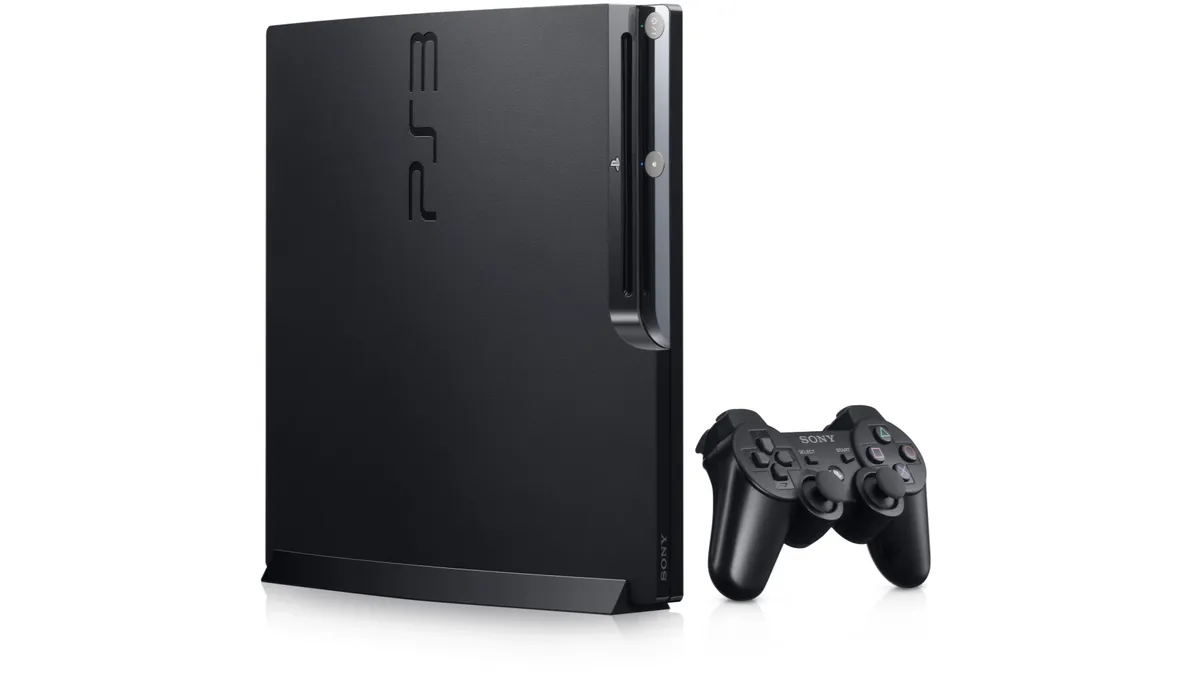
It was the generation of PS3 and Xbox 360 that also transformed the game console into a real multimedia hub that fans of home entertainment are aware of. Now with hard drives of up to 500GB, movies and TV shows can be purchased and downloaded to the PS3 and 360. Media files can be accessed over a shared network, and the PS3 even has Bluetooth 2.0.
These consoles were also ahead of the streaming curve. Netflix was launched on Xbox 360 in November 2008, when Amazon Fire TV Sticks were just a glint in Jeff Bezos’ eye, and it was the first device to offer Netflix streaming in HD.
Apparently I wasn’t the only one with consoles doubling as my streaming device – in 2012, Sony reported that more people streamed Netflix on their PS3 than on any other device.
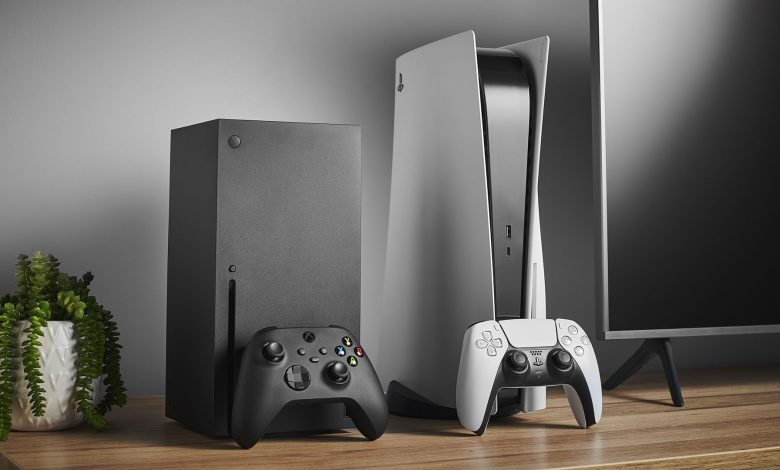
And today? Smart TVs and devices are so common that the multimedia capabilities of game consoles are not so called, although the current PlayStation 5 and Xbox Series X still offer a wide range of streaming options.
And while they never had the same impact that their predecessors had on the popularity of DVD and Blu-ray, the PS5 and Series X may, by far, be the most common 4K Blu-ray players out there.
While they wouldn’t be our recommended devices for work, anything that gets more 4K Blu-rays into people’s homes is a good thing – and has certainly helped contribute to the recent increase in 4K Blu-ray sales despite the lack of new Blu-ray players.
I’m very grateful for the convenience and quality we get from smart TVs and dedicated media players these days – but part of me will always be nostalgic for a time when one device was the gateway to many different worlds.
Which is the best 4K Blu-ray player, PS5 or Xbox Series X?
Also check out our selection of best streaming devices
Along with our selection of best Blu-ray players