Fitbit improves sleep tracking and adds an AI trainer that uses your medical history
Fitbit is bringing its app closer to a full health companion. Starting next month, it will be able to connect your medical records, giving its AI trainer access to lab results, orders, and previous visits. The same update also improves sleep tracking, with a 15 percent increase in detecting sleep stages.
The changes, announced at the Google Check Up event, show how Fitbit is moving beyond basic tracking. By combining clinical records with wearable data, its Gemini-powered assistant aims to deliver a guide that shows your real health data. Instead of general suggestions, you can ask about cholesterol and get answers tied to your actual numbers.
What happens when you sleep
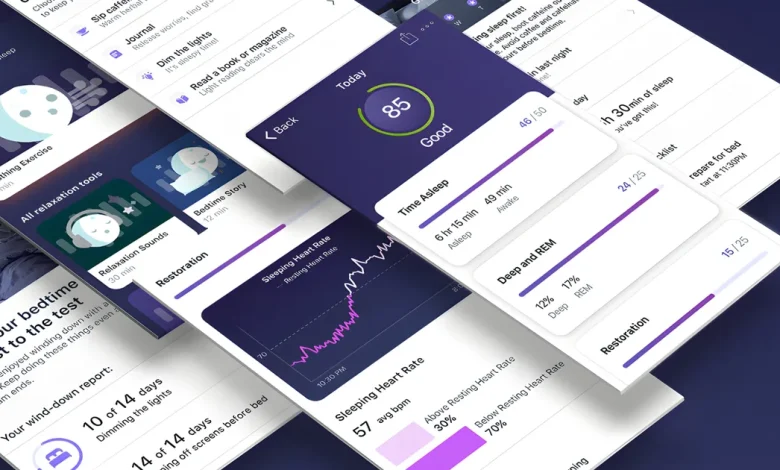
Before clinical data integration came along, users were getting meaningful improvements in sleep tracking. Fitbit releases a refined sleep stage model that better separates time spent trying to sleep from time spent asleep. Clinical validation shows a 15 percent improvement over the previous version for all Pixel and Fitbit devices.
There’s also a redesigned Sleep Score that goes deeper into how you rest. It now looks at details like how long it takes you to fall asleep, rather than just focusing on total sleep time. The goal is to help you identify certain habits to improve your routine without guessing. Updated tracking is available now, while a new scoring experience is expected in the coming weeks for Community Preview users.
Your health data meets AI guidelines
The big change is coming next month for Public Preview users in the US. You will be able to connect your health records directly within the app, combining information from different providers in one place. Fitbit works with partners like b. well and ECALA supports authentication, by searching your provider or by verifying your identity with an ID.

Once connected, the AI trainer can interpret that data. Ask about cholesterol, and it can summarize trends, highlight changes, and provide guidance based on both your records and wearable data. You’ll also be able to share those snapshots with a doctor or family member using a QR code or Smart Health Link. Fitbit says this data is stored securely and is not used for advertising.
Glucose tracking and what’s next
More health data is on the way. Around the same time, Public Preview users will be able to connect a continuous glucose monitor through Health Connect. That means you can ask how certain foods or exercises affect your glucose levels, based on your personal data.
These updates build on extensive research conducted by Fitbit. A recent study published in Nature explored predicting insulin resistance using wearable signals, and the company is working with Included Health to explore how conversational AI can support virtual care. Guidance is clear, Fitbit is building a system that understands more about you so that its guidance is more important in everyday decisions.