Apple Patent Reveals Crease-Free Foldable Display With Smart Glass
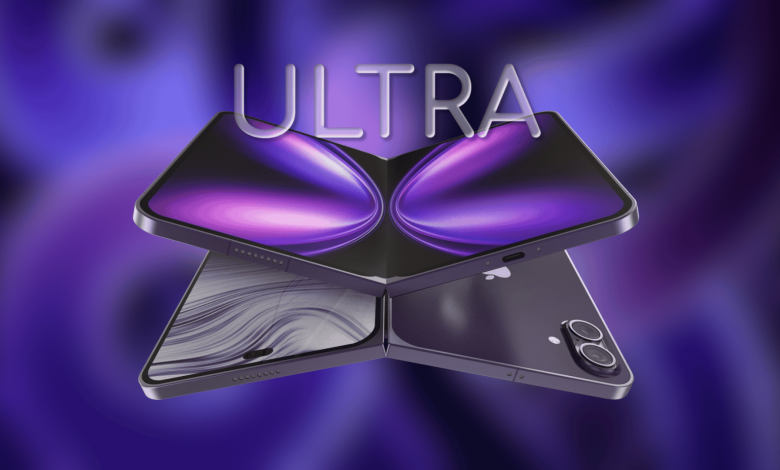
Apple is taking a different approach in the race to foldable devices by focusing on the content itself. A newly published patent shows how the company plans to reduce or eliminate the visible crease by reprogramming the way the glass behaves when it bends. Instead of relying on complex hinges, Apple is working with a smart glass layer that can bend without losing strength or clarity.
This approach focuses on a single-piece glass cover that spans the entire display, including the folding area. The idea is to remove weak points caused by multiple layers and create a smooth, continuous surface. As a result, the device can feel like a regular iPhone or iPad, even when folded.
US Patent Office publication noticed by MacObserver highlights this system in detail, showing how Apple has engineered a “collapsible cover” with different properties in all regions of the same glass.
A new way to bend glass
Apple’s design introduces a dedicated hinge area built right into the glass. This section is not a separate part of the machine but a carefully handled area that allows for controlled bending. The rest of the display remains solid, which helps maintain the durability and premium feel.
What stands out is how Apple adjusts the internal structure of the glass. The flat surfaces receive deep reinforcement for scratch resistance, while the hinge surface uses a light treatment so that it can be bent repeatedly without cracking. This selective reinforcement creates a balance between flexibility and durability.
Intelligent pressure control inside the glass
The patent also explains how Apple controls the pressure inside the device. Instead of using the same pressure everywhere, the company uses different pressure levels depending on the region.
Drawings in the filing show how the hinge area handles bending forces while reducing the risk of damage over time. For example, the drawings show how the folding circuit compresses and expands during use, helping to limit permanent wear and tear.
Apple also describes using multiple ion exchange processes to treat different parts of the same sheet of glass. This allows precise control of how each phase reacts under pressure, which is common in current foldable devices.
If Apple brings this technology to market, it could solve some of the biggest problems in foldable phones. Users may notice fewer creases, better durability, and a more consistent display across all folds. The ability to support tight bend radii, which can be between 1 mm and 5 mm, also supports very tight designs.
Apple’s strategy shows a clear focus on material science rather than mechanical complexity. By improving the outer glass layer, the company addresses what users see most during daily use.
The conclusion
Apple’s foldable glass patent points to a careful and long-term approach. The company is not chasing a product but working on a core issue that affects all things foldable. If this technology makes it to actual devices, it could raise the bar for how foldable screens look and feel.