
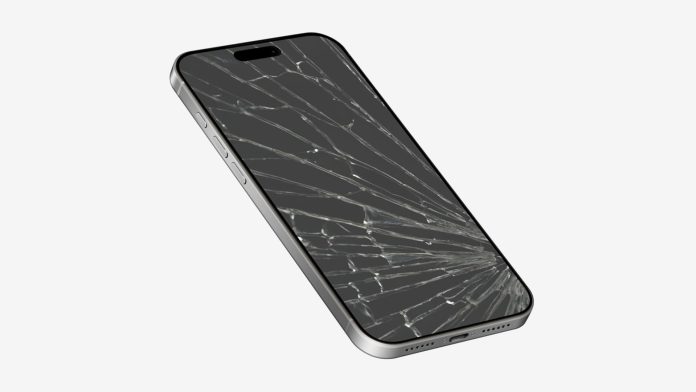

In this guide, we look at several ways to recover your photos and videos from an iPhone or iPad with a cracked or broken screen.
The methods here require certain conditions, which we list under each option. The most important thing is that the internals should work (even if the screen is cracked).
Option 1: If you use iCloud Photos
If you’ve set up iCloud Photos on your iPhone, it’s likely that most of your photos and videos are already stored on Apple’s secure servers. Visit icloud.com/photos and sign in with your Apple Account and password, or open the Photos app on your iPad, Mac, other iPhone, or Windows PC, and you should see your cracked iPhone photos there.
In case the latest photos and videos are missing, here’s what to do:
- Do not turn off your broken iPhone.
- Bring it to your home or office within range of a known Wi-Fi network.
- Now, connect your cracked iPhone to wired and wireless charging (if the back and charging port is not cracked).
Now wait, and it is possible that your broken iPhone will connect to a known Wi-Fi network and upload recent photos to iCloud. If you remember to turn on Low Power Mode, say so Hey Siri, turn off Low Power Mode (should work even if the screen is cracked).
Option 2: Use iPhone Mirroring

This detection method will work if you own a Mac and have used iPhone Mirroring before. Additionally, you must set iPhone Mirroring to “Confirm Automatically” instead of “Always ask.” And even if there are both of these in place, you’ll have to pray that your Mac doesn’t randomly ask you to authenticate this session by typing the iPhone’s passcode on a cracked screen.

To do this, bring your iPhone close to your Mac and open the iPhone Mirroring app. If it connects and authenticates automatically, you’re golden.
Open the Photos app, select your important photos and videos, click the share button, and save them to iCloud Drive, Google Drive, Dropbox, etc. You can also AirDrop selected photos to the same Mac when using iPhone Mirroring or another Apple device, such as a family member’s iPhone.
Option 3: Try making a backup on your Mac or PC
You must enter the iOS device passcode on the screen to trust the computer when you connect it to a Mac or PC for the first time with a USB cable.
Second, when you try to back up your iPhone or iPad using macOS Finder or the Windows Apple Devices app, you may be asked to enter a passcode on your iOS device. This is especially true if it’s been a while since you last backed up or your device is running the latest version of iOS 26.
However, you can give this method a go, hoping that the new backup will happen without the password prompt on the cracked iPhone screen.
- Connect your cracked screen iPhone or iPad to a previously used and trusted Mac or Windows PC with a USB cable.
- Open it Finder on a Mac or App for Apple Devices on Windows PC and select iOS device from the left sidebar.
- Click on “Backup Now” button and wait for it to finish.
- If you have made a backup, you can restore the backup file to another iOS device or to the same cracked phone after its screen is repaired.
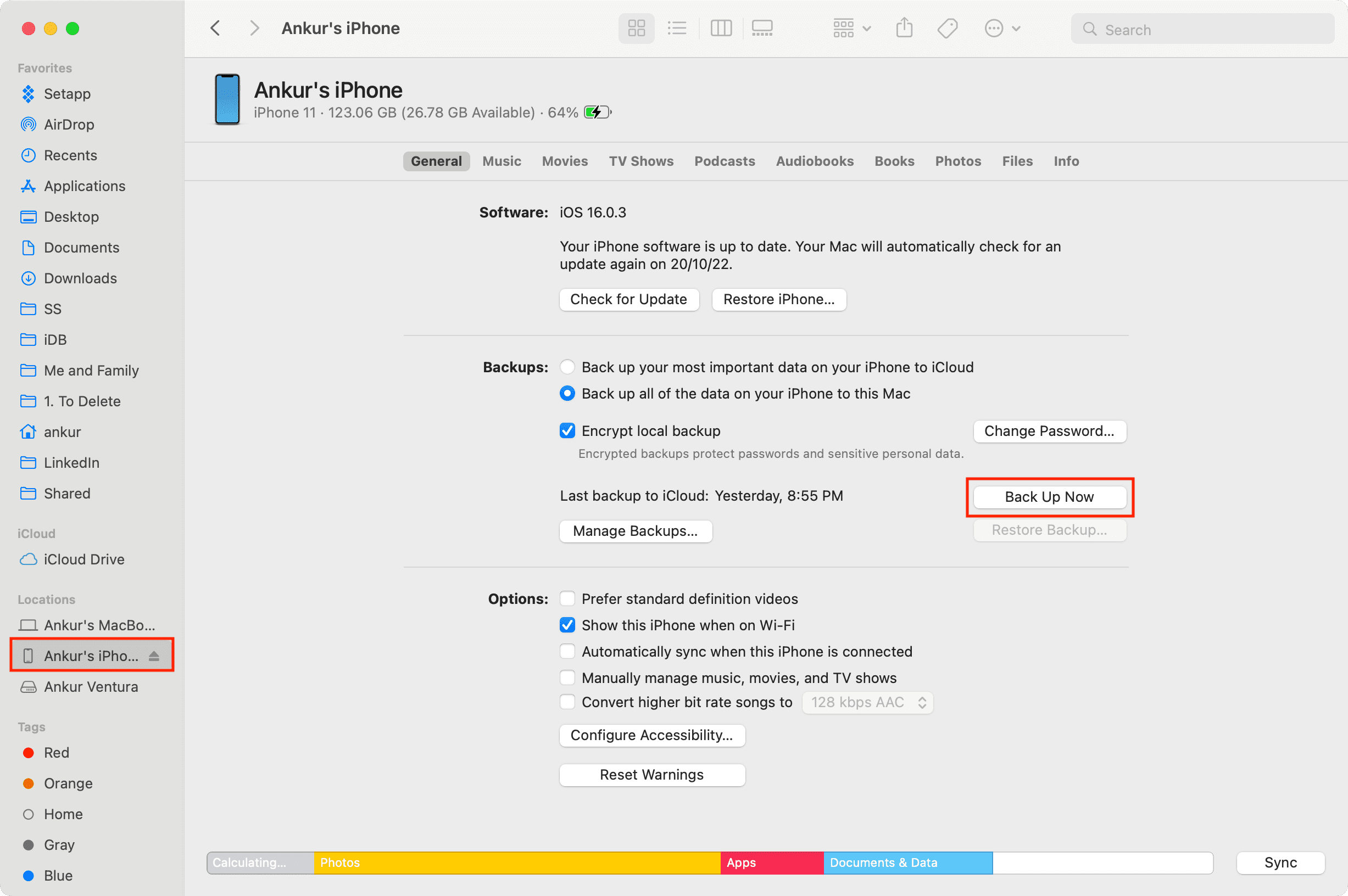
Note that your device backup will not include photos and videos if you are already using iCloud Photos.
Method 4: Connect to a monitor
You can try this if your cracked iPhone or iPad screen is slow.

Connect your iPhone or iPad to the monitor using a USB-C cable or an appropriate adapter. Then, you press the side button and keep your face in the range of Face ID, hopefully it will turn on and wake up. If it is open, you should be able to see your iPhone screen on monitor. Use that to tap the slow screen to select and AirDrop your photos to another device.
Method 5: Use a monitor and mouse
Try these steps if your iPhone or iPad screen doesn’t respond to touch, but Face ID/Touch ID still works. Another important thing to remember is that you can use the mouse directly with the iPad (no additional setup is required), but on the iPhone, the connected mouse will only work if AssistiveTouch is enabled.

- Find a suitable USB adapter/dongle with ports to connect a wired USB mouse and USB-C or HDMI display to a monitor/television. Most USB-C dongles can do this, but check the product description before buying.
- Connect the USB dongle to your iPhone.
- Then, connect the wired mouse and monitor the USB-C or HDMI cable to the USB dongle.
- Now, press the side button to wake the phone, and make sure your face is within the range of Face ID to unlock the broken iPhone or iPad.
- Once it’s on, you should see your iPhone screen on the connected monitor (make sure you’ve set the monitor/television input correctly to the correct USB-C or HDMI port).
- Now, swipe up using the mouse to go to your broken iPhone or iPad home screen. Use the mouse to navigate, then AirDrop them to another device or save photos to iCloud Drive or Google Drive.
Option 6: Check if you have a backup of the old device
If you back up your iPhone or iPad to a computer or iCloud, that will include all your photos and videos, as long as you’re not using iCloud Photos and haven’t removed the Photo Library from your iCloud backup.
You can restore an iOS device backup to another iPhone or iPad. Or, restore it after repairing the screen.

Select the iPhone or iPad in the macOS Finder or the Windows Apple Devices app, then click Manage Backups to view previous backups.
Method 7: adjust the screen
Finally, if none of the above tips work for you, the last resort is to repair the screen. You can get an expensive repair from an Apple store or an authorized service center.
And if you don’t want to continue using this particular iPhone (as someone else has been damaged), but media output is important, you can consider a cheap third-party screen replacement so you can use the phone to send your photos.
Third-party recovery apps won’t always work
You may come across third-party apps that claim to restore your photos from a broken iPhone and iPad. But they may not be useful unless you already use those apps on your Mac or Windows PC. So, I would not recommend installing and using them. They require you to trust the computer before your iPhone or iPad will appear within those apps, and trust requires you to enter a passcode on a cracked screen.

Use the comment section to let us know if you were able to recover your photos and videos from your cracked iPhone and iPad. And tell us which method worked? Thank you…