
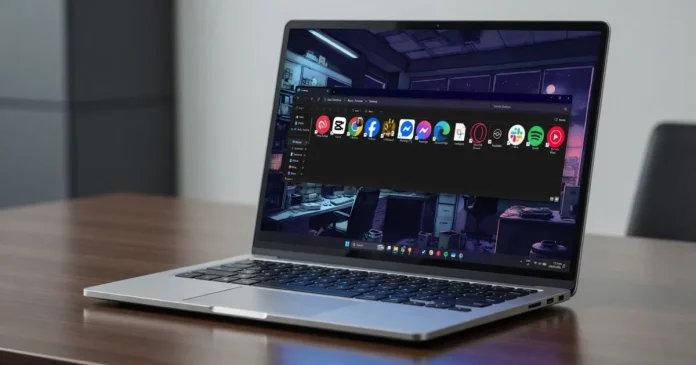

Microsoft finally admits what many Windows 11 users have felt for years, File Explorer can be slow in ways that a quick launch alone will not fix.
The latest explanation from Microsoft points to a wide performance push for Windows 11 File Explorer, including changes aimed at startup behavior, disk activity, visual latency, and application hangs.
That is important because the pain is evident in daily use. Folder navigation, icons, context menus, and configuration can all make the Windows file manager feel heavier than it should be.
Why quick start is still not available
Microsoft’s controversial answer so far has been File Explorer’s preloading, which keeps important pieces of the app ready before you click an icon. The upside is clear, the window can appear faster because Windows is already doing some work in the background.
But that adjustment has limits. According to Windows Latest tests, preloading adds about 35MB of RAM usage, which isn’t much on a modern PC, but still feeds the criticism that Microsoft is using memory to cover up slow code.
The vulnerability appears after the application is opened. Large folders can take a while to fill, and right-click menus can still feel laggy. Microsoft’s latest response makes a lot of sense because it addresses boot order, unnecessary virtual work, disk reads, and hangs.
What’s changing inside File Explorer
Tali Roth, Microsoft’s Head of Product for Windows Shell, described the File Explorer program as an integrated approach, with implementation improvements and engineering fixes going hand in hand.
The Windows Shell team targets the areas that users are most aware of. It improves load organization, removes additional animations and unnecessary work, cuts disk reads, and reduces hangs in the entire application.
Those changes can reach parts of File Explorer that are preloaded that can’t clean themselves. A real improvement is the file manager that opens quickly, loads folders without sticky pauses, and keeps icons and menus moving.
What to watch next
Microsoft says that File Explorer improvements will roll out gradually over the coming months, so the real test is whether Windows 11 users notice a difference outside of Insider builds.
There are early signs of progress. The latest build reportedly improved navigation, removed the bright light that can appear in dark mode, and started replacing old File Explorer bits with a more modern Windows UI.
The time of public wide availability is not pinned down to the source material. After updates arrive, watch for regular times, folder loading, icon rendering, right-click menus, and general responsiveness. This is where Microsoft has to prove that Windows 11’s file manager is actually growing fast.