
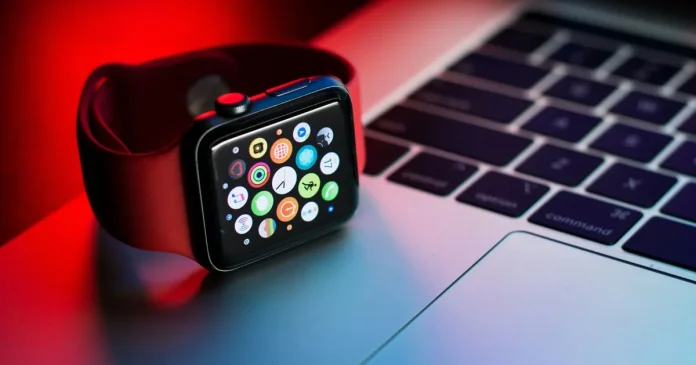

The Apple Watch helped define the modern smartwatch industry when it launched in 2015. It transformed wearables from niche gadgets into products for mainstream consumers, brought in billions in Apple’s revenue, and ultimately became the gateway to the company’s broader health and wearables agenda. But more than a decade later, Apple now appears to be entering a very uncertain phase in the segment it once dominated.
According to Mark Gurman’s PowerOn Bloomberg, watchOS 27 is expected to focus more on stability improvements, performance improvements, and minor improvements than major new features. While Apple is reportedly improving heart rate tracking behind the scenes, the update may lack the kind of headline innovation that once defined the Apple Watch platform.
Apple’s wearables strategy is facing new pressure
The move comes as the wearables market is changing rapidly. Consumers are increasingly moving away from display-heavy devices and toward simpler products that focus on health tracking, longer battery life, and AI-driven wellness insights.
Companies like Oura Health and Whoop have built large businesses around screenless rings and fitness bands that prioritize recovery, sleep analysis, and training that can be done over notifications and apps. Even Google is reportedly moving toward simpler, smaller wearables with Fitbit products.
Apple still holds huge advantages with its integrated ecosystem, hardware design, and health sensors. But critics are increasingly arguing that the company is at risk of becoming too cautious while rivals move quickly into AI-powered health technology.
The problem may not be only hardware. The Apple Health app, despite years of development, is often criticized for presenting a large amount of medical data without delivering meaningful information or personalized training. Competitors like Oura and Whoop are increasingly focusing on turning raw health information into actionable recommendations and behavioral guidelines.
Leadership changes add more questions
Apple’s health division has also seen a major change in leadership. Former COO Jeff Williams, who has long been associated with Apple’s health strategy, retired last year, and several executives connected to the Apple Watch, health, and Fitness+ programs have recently left the company.

Incoming CEO John Ternus is expected to keep health and AI at the center of Apple’s long-term roadmap, but many of the company’s most ambitious health projects are years away. One of the most watched efforts is Apple’s blood sugar monitoring project, which aims to measure sugar levels without pricking your fingers or drawing blood.
For now, though, watchOS 27 may reflect a company that prefers refinement over experimentation. That strategy has helped Apple avoid many Silicon Valley-style mistakes in the past. But in areas like AI and digital life, where competitors are emerging quickly, playing it safe may no longer be enough.