
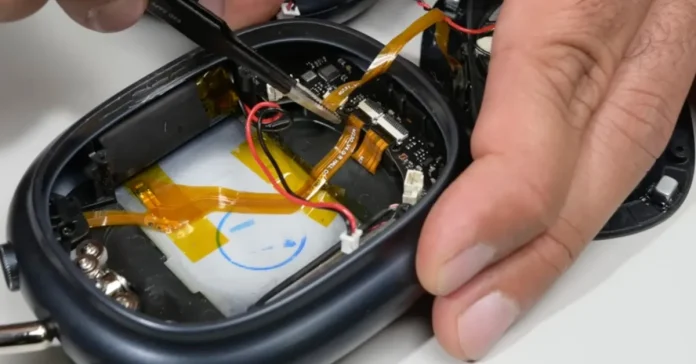

iFixit recently visited the Huaqiangbei district in Shenzhen, China, where they purchased Apple Watch Ultra 3, AirPods Max 2, and AirPods Pro 3 knockoffs, brought them back to the studio, and quickly disassembled them. Here’s what they found.
As iFixit explains in the video, Huaqiangbei is a global repair center for many electronics sold around the world.
It’s also a place where visitors can buy fake products, which, on the outside, may look like the original, but don’t last under close inspection (or, in this case, if you look inside).
Tearing down the fake Apple Watch Ultra 3
As soon as Shahram Mokhtari of iFixit takes a fake Apple Watch Ultra 3 and starts interacting with its operating system, he notices that tapping any application on the face of the watch activates Night Mode, which makes the interface red, rather than opening the application he is touching.
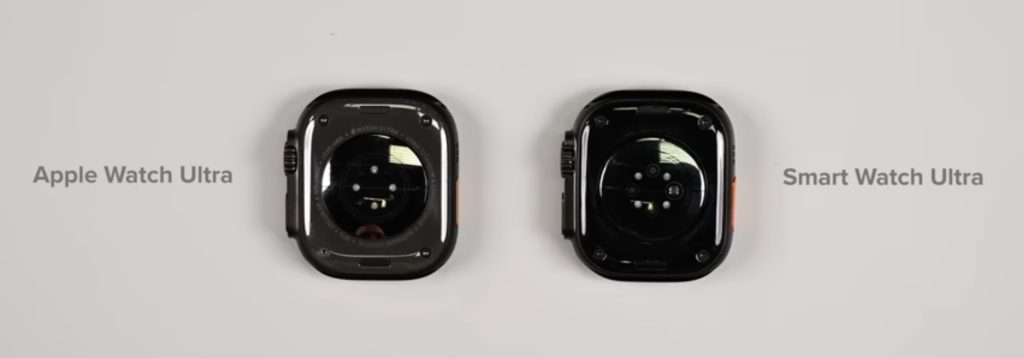
He also notes that the Taptic Engine feels different, and that most of the sensors (except the heart rate sensor) are painted on the back of the device’s plastic shell (rather than ceramic or sapphire).
When Mokhtari opens the fake Apple Watch Ultra 3, he notices that the 260 mAh battery (less than half the capacity of the real thing) is loose inside the case, its wires soldered to the main board.
Tearing down fake AirPods Max 2
As with the fake Apple Watch Ultra 3, Mokhtari notes that as soon as you pick up a fake AirPods Max 2, you notice the difference in materials, design, and construction.
That includes a plastic rather than aluminum shell, and cushions that are more squishy than the real thing.
Mokhtari notes that the clicks of the buttons feel wrong and that the knockoffs lack active noise cancellation and transparent mode.

What the knockoffs have in common with the original is the ear detection system, as well as the native pairing buttons and animations that appear when setting up a real pair of AirPods Max 2.
While digging into the earcups, Mokhtari can’t identify the battery being used and notes that, as the disassembly continues, some of the poorly soldered wires come off easily. He also reveals a few silver cylinders whose function is to give the headphones a heavy feel like the real AirPods Max 2.
Tearing down fake AirPods Pro 3
Of all three products, these are the ones that look the closest to the real thing. Mokhtari notes that it is almost impossible to tell apart, except for slight differences in the seams.
But that’s where the similarities end. As he tries to remove the silicone tip, the entire front piece of the AirPods comes off with it, severing several wires and cables in the process. Later, you see that the tip is attached to the earbuds.
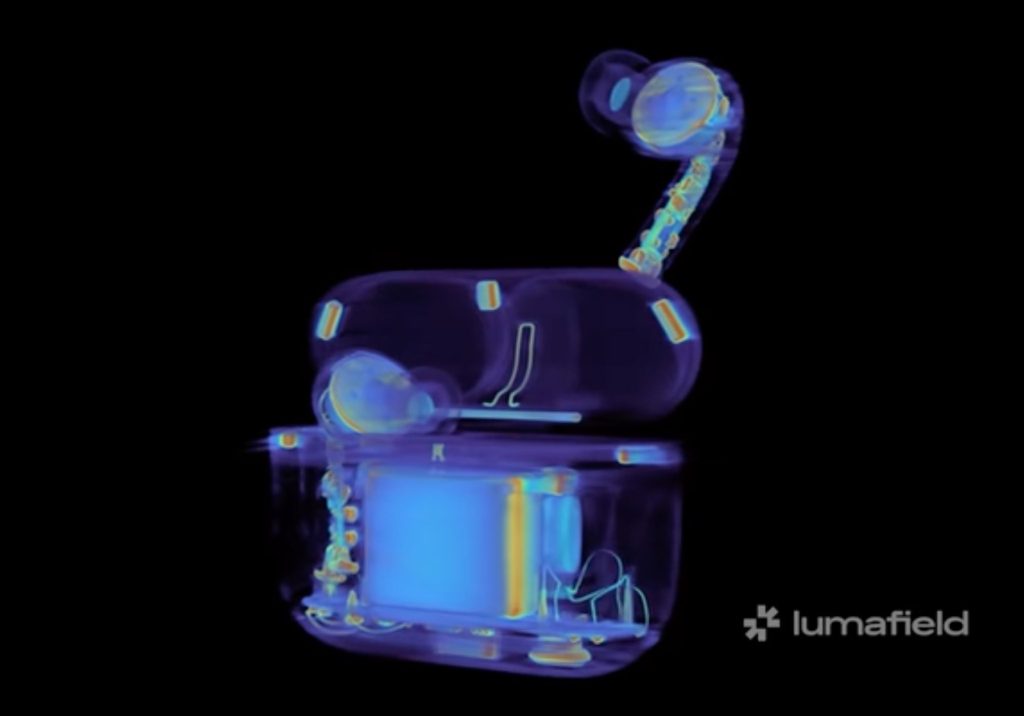
When examining the fake AirPods in a CT scan, Mokhtari notices several details that make them very different from the real thing:
MEMS microphones are not available. The cheap-looking drivers and basic construction, using soldered copper wires instead of flexible wires, are all dead giveaways.
Upon closer inspection, Mokhtari notes that the earbuds of the fake AirPods Pro 3 are “designed like the first generation AirPods,” allowing a small printed board to protrude from the stem. He also notes that, as expected, the internals of the device do not include components such as ANC microphones and heart rate sensors.
Finally, unwrapping the case also reveals poorly constructed internals, including, again, an unmarked battery.
While the findings may not be surprising, given the context, the iFixit video still makes for an interesting 15-ish minutes. You can watch it below:
It’s worth checking out on Amazon


FTC: We use auto affiliate links to earn income. More.