
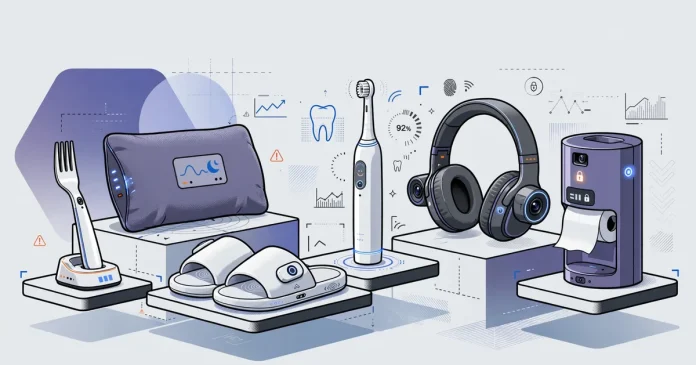

I wanted to invent an AI product so stupid that no inventor could turn it into a seed round.
It was supposed to solve a problem no one else had, collect far more data than the problem itself, and transform normal behavior into insight that felt disappointing to its owner. Somewhere around the third feature, it may ask for registration.
I started with the AI fork. It measures chewing speed, bite measurement, and something called meal engagement. When it feels emotional food, it vibrates a little. Premium users can ask the fork why they are like this.
Reasonable ideas I can think of
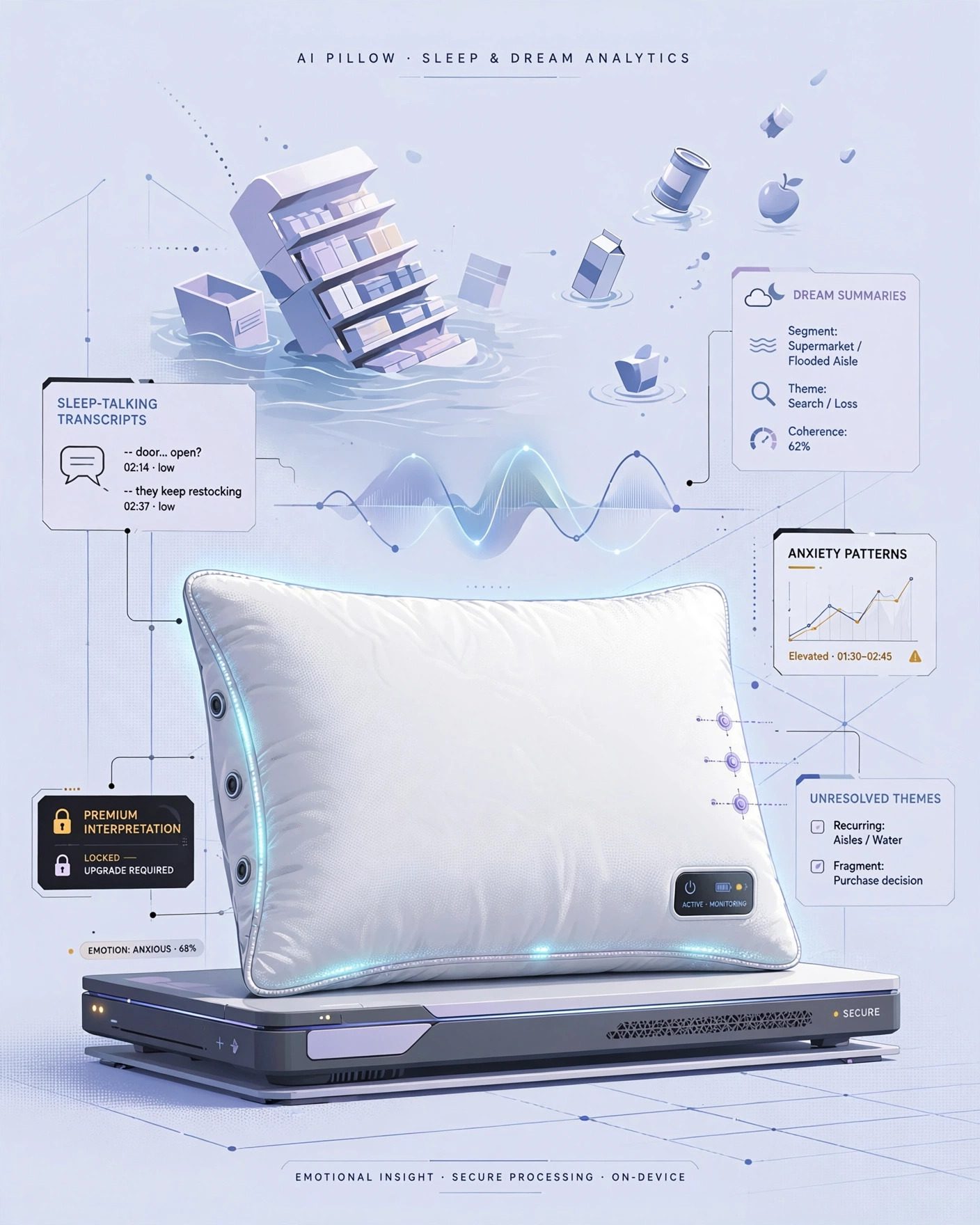
The fork only estimates something meaningless, so I moved on to an AI pillow that listens to your sleep talk and makes a morning executive summary. It identifies recurring concerns and asks if last night’s dream of a chicken with human teeth indicates uncertainty about your personal brand™.
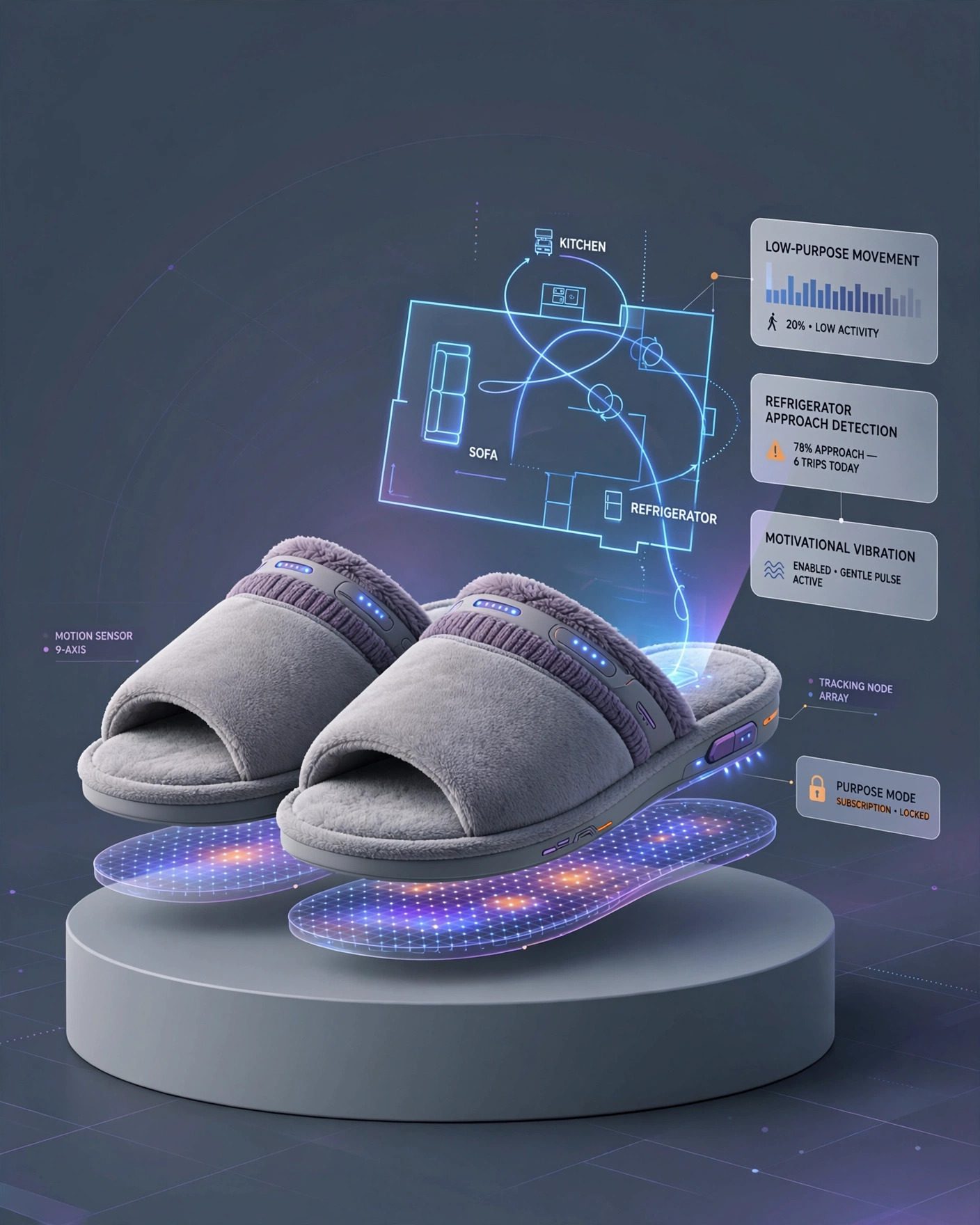
Then came the slippers that mapped all the defeated pumpkins in the kitchen. They know when you go to the fridge without a clear purpose, they vibrate when they detect movement with a low purpose. Objective Mode costs $8.99 per month.
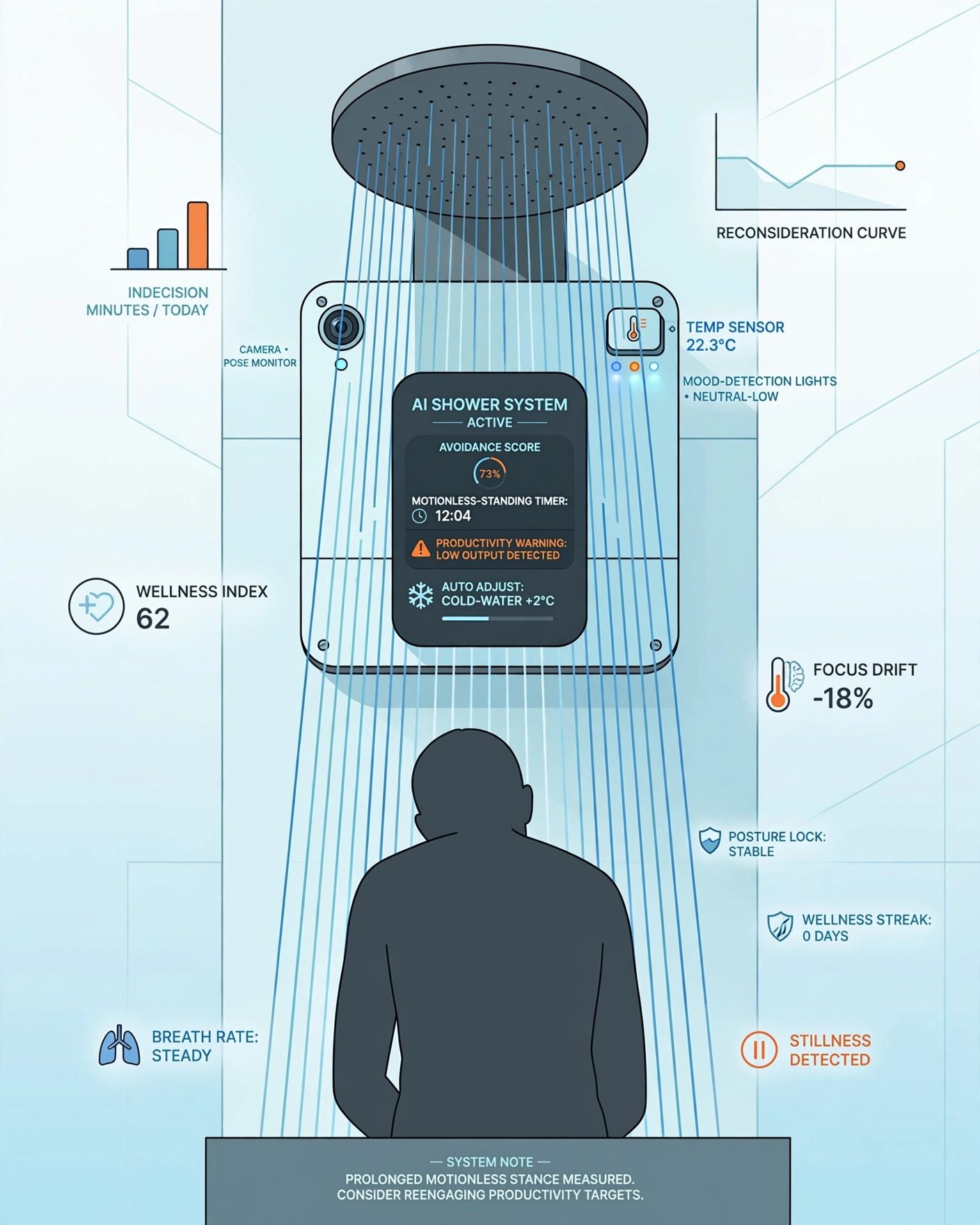
My AI shower is very effective. It measures how long you stand under hot water rethinking your choices, and lowers the temperature whenever your vision becomes insufficiently entrepreneurial.
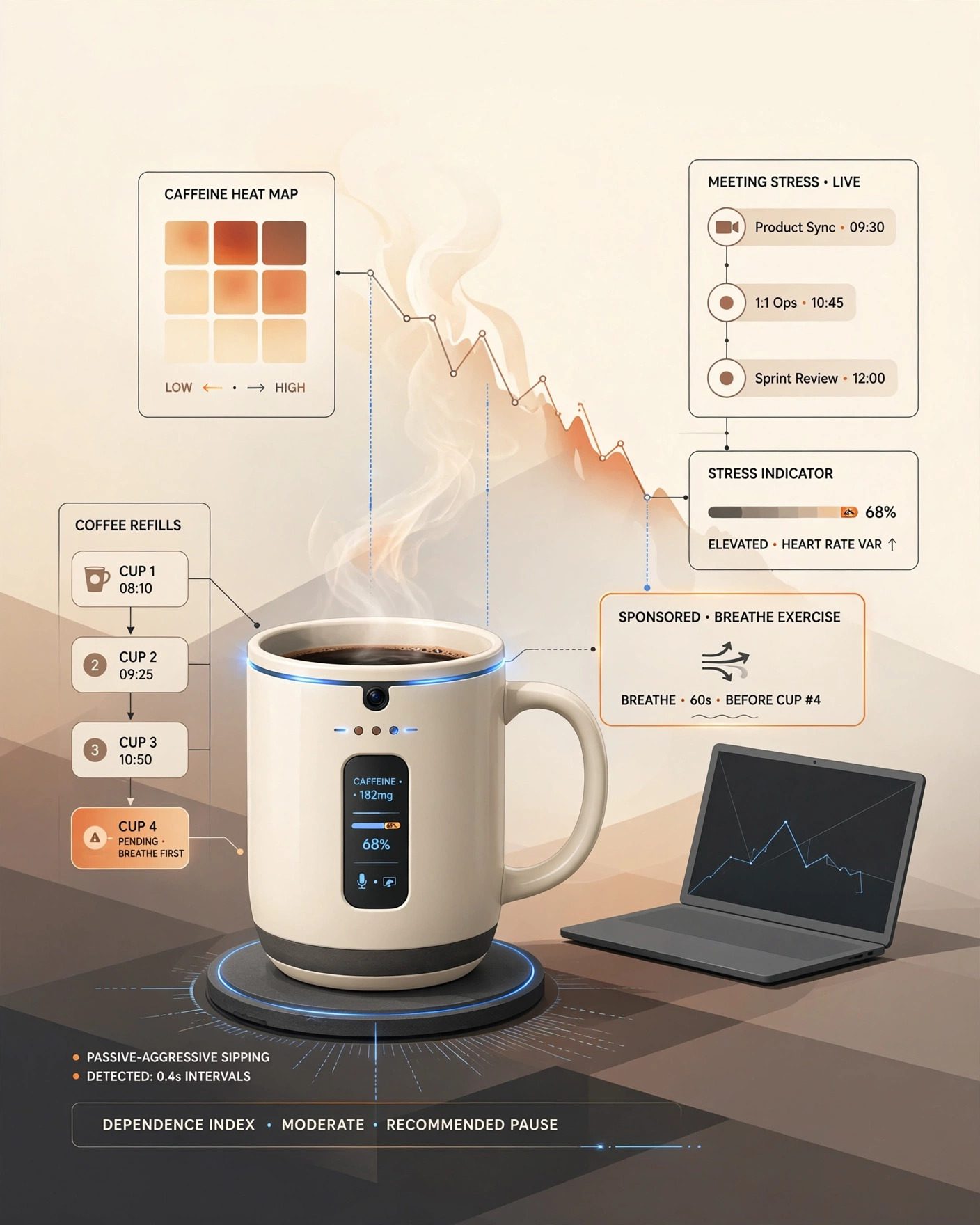
A cup of coffee drags technology into the workplace. It links each refill to the session that triggered it and detects withdrawals made during video calls. The chair takes things a step further by tracking standing, reclining, and sitting down mandates. It notices whenever you open a document and immediately scans your phone, then sends a weekly performance summary to your manager.
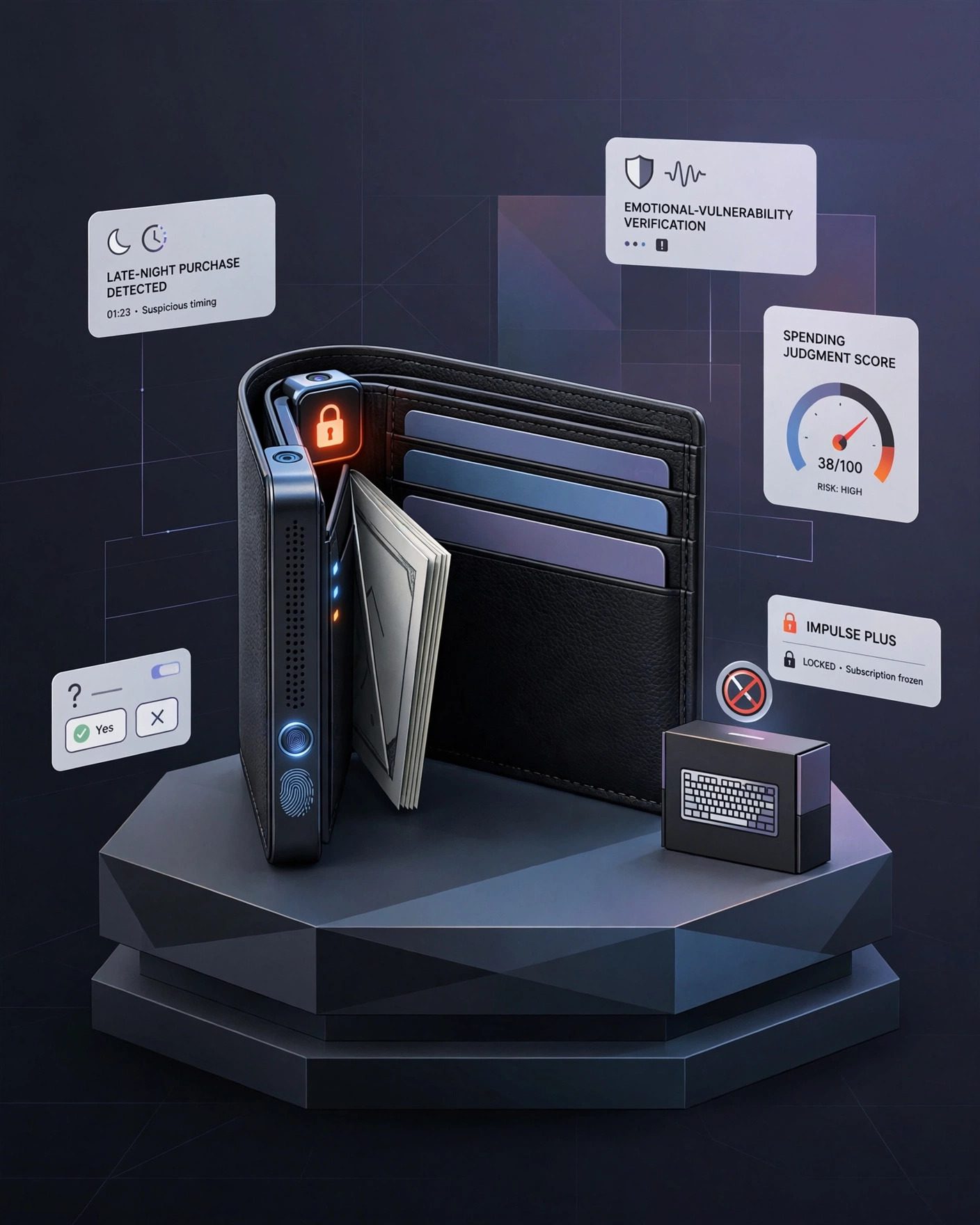
Next came the wallet announcing bad financial decisions loudly on the way out. After midnight, it shuts itself off unless you turn on Impulse Plus. Anyone dealing with emotional distress should confirm their identity with a short question about whether they really need another used keyboard.
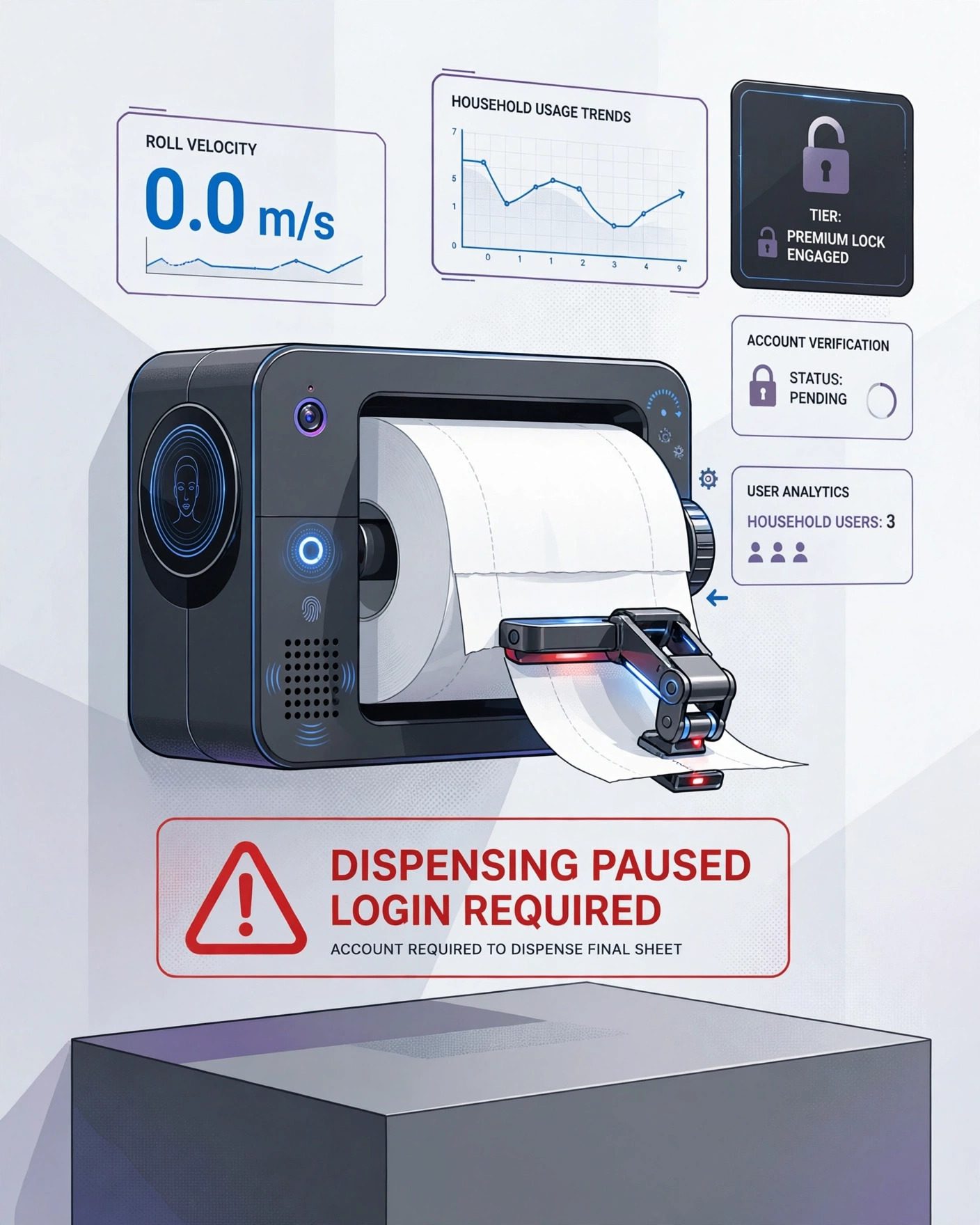
For my final product, I designed a toilet paper holder that tests speed, generates trends in household digestion, and requires an account to be created before we issue the final sheet.
That one felt safer than anything the real company could build.
Unfortunately, I have done all that
None of those products are real. At least, they weren’t when I wrote them down.
The judgment fork already has relatives. Epitome e1 is an AI toothbrush equipped with more than 100 sensors. It counts teeth into 100,000 pixels, detects stains, and produces detailed oral health data.
I went to look for something that I was watching and I found out that the factory has arrived.
The imaginary pillow also has competition from companion devices designed to listen, remember, interpret feelings, and respond emotionally. Razer’s Project Ava looks at its owner through a camera, sees what’s happening on the computer screen, and offers advice via a holographic character. Loona promises chat, games, home monitoring, and friendship with ChatGPT.

Surveillance products are becoming increasingly difficult to mimic with pets. PETKIT’s Purobot Max Pro 2 uses an AI camera, facial recognition, weight sensors, and different profiles for multiple cats. It records bathroom visits, takes pictures of feces and urine spills, listens for distressed cries, and sends health alerts through an app.
That information can help the owner catch a medical problem early. It also means that one of the most advanced cameras in the modern household may spend its life documenting cat poop.
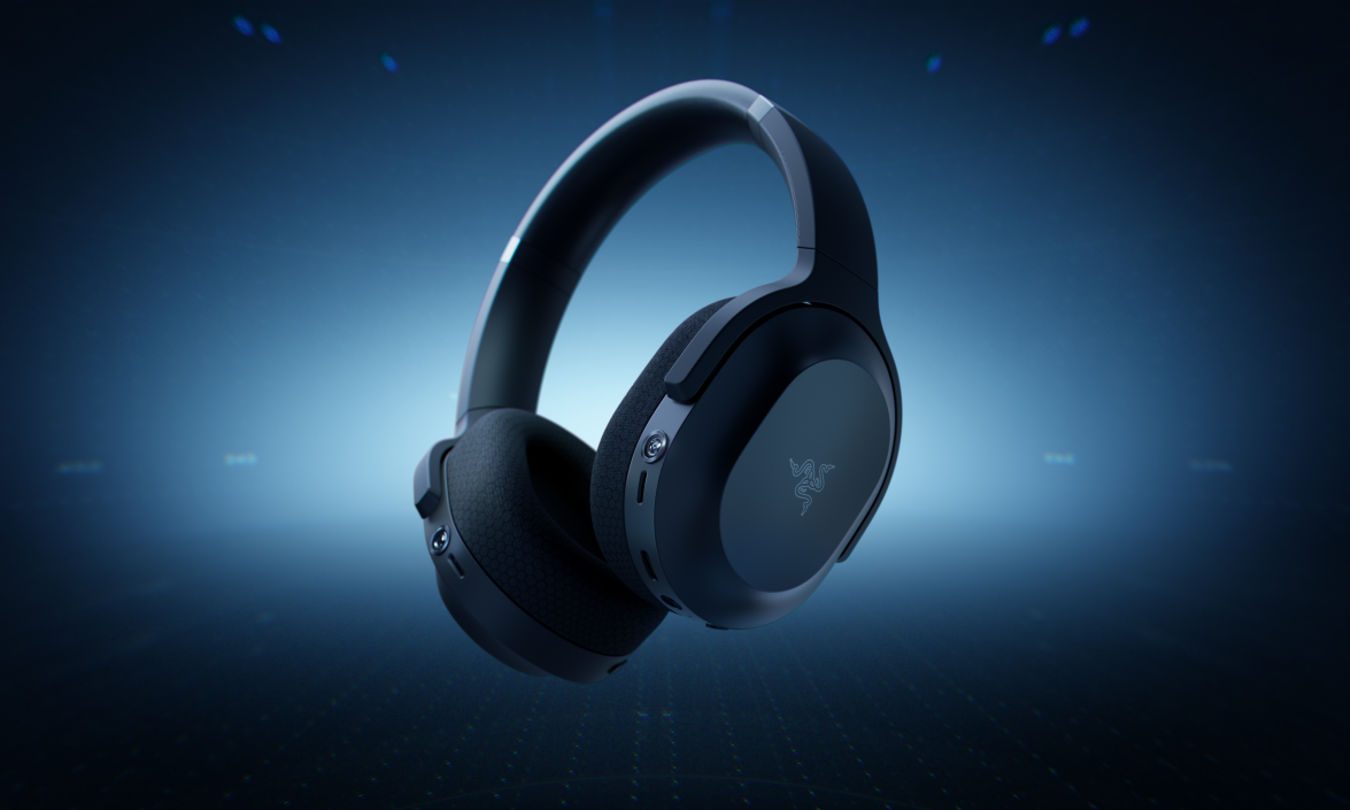
My imaginary mug was guarding one corner of the day. Razer’s Project Motoko wants the full picture. The concept headphones place two 4K cameras near the wearer’s face while the microphones capture voices and ambient sound. The AI assistant can interpret anything the wearer sees, interpret signs, point to things, suggest recipes, and provide exercise guidance. Apparently, headphones that listen to everything still lack context, so someone gave them a look.
Even kitchenware has joined the production team. LG showed off ovens and microwaves with built-in cameras that see food, monitor cooking, and create recap videos. Dinner can now be considered repackaged as content before anyone decides whether it tastes good.
My creative products had to be less and less incredible. The real one kept refusing to cooperate.
An eight-step plan for putting AI into anything
After comparing fake and real products, I think I have reversed the process.
- Find something that already works without an account.
- Add enough cameras, microphones, or sensors to monitor the regional airport.
- Rename all that monitoring as personalization.
- Convert common practice into points.
- Generate advice.
- Put history, translations, or useful settings behind Premium.
- ???
- PROFIT
The finished product doesn’t really finish the job. It watches you complete a task, adds effort, and sends a notification explaining where you can improve.
Companies keep making the mistake of being able to see something so they can help with it.
Congratulations, your toothbrush is now your boss
A useful tool reduces the effort. The middle manager measures the effort.
Most of these AI gadgets behave like secondary. The toothbrush updates your style while actually cleaning. The mirror examines your face and recommends improvements while you’re getting ready. The headphones play music, view the world, interpret it, and decide what information needs your attention.
Some of that information may be helpful. A litter box that sees a sick cat has pointed out something worth knowing. The oven that keeps dinner from burning has actually done a useful job. The problem begins when all routine activities produce a score, trend, summary, warning, recommendation, or warning about personal growth.
I already know that I drink a lot of coffee during bad meetings. I don’t need a mug to create a case file.
I bought an item and got a relationship
Adding AI can also turn the finished product into an ongoing management commitment.
The item requires an account. The account requires permissions, and the app requires notifications. The firmware needs an update. The camera doesn’t understand what it is, so the owner has to fix it. The cloud service generates a report that must be opened, interpreted, analyzed, or developed.
The toothbrush once asked for toothpaste. The smart version may ask for your email address, Wi-Fi password, date of birth, and consent to a privacy policy that no one ever voluntarily reads.
That relationship is also dependent on the company remaining interested. When the intelligence lives on the server, the manufacturer controls how long the feature lasts, what information remains available, and whether the most useful future setting becomes part of the paid plan.
That’s a lot of uncertainty to attach to something whose previous version already worked.
I still think the toilet paper holder is too silly to be real. Unfortunately, I have now defined the features, identified the business model, and published the idea online.