
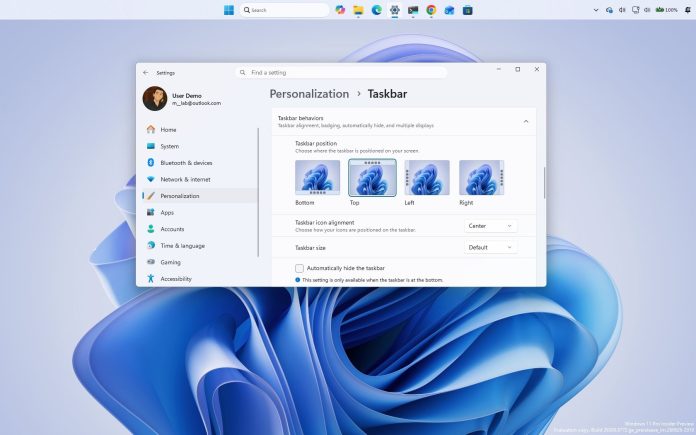

Microsoft is expected to launch the 2026 update of Windows 11 (version 26H2) later this year, marking the fifth feature update of the desktop version of the operating system. However, this release is not a full replacement of the operating system, but it is still important not to skip it.
In this guide, I’ll walk you through 10 interesting facts about Windows 11 version 26H2 so you know before upgrading when it’s available.
Facts you should know about Windows 11 version 26H2
These are some facts about the new version of Windows 11.
1. Same operating system platform
Although the company will market Windows 11 version 26H2 as a new release, it shares the same platform as version 25H2, meaning both operating systems are the same under the hood. This is exactly the same as versions 24H2 and 25H2.
2. Same set of features and improvements
Windows 11 version 26H2 includes the same features and improvements already available in version 25H2. Microsoft is not introducing a different feature set for this release because both versions share the same platform.
Perhaps the most notable difference between Windows 11 versions 26H2 and 25H2 is their version and build numbers, and their support lifecycle.
For example, version 26H2 uses build numbers in 26300 series, while the 25H2 version uses the 26200 series. Now, apart from different build numbers, updates for both versions usually share the same revision number (KB) because they are based on the same code and include the same features and improvements.
Microsoft is expected to continue servicing both versions with similar features and improvements for the foreseeable future. As a result, version 26H2 is not expected to introduce major new capabilities at launch. Rather, it acts as another enablement package release that enables the new version number while maintaining the same information users already have in version 25H2.
3. Enabling Package-Based Installation
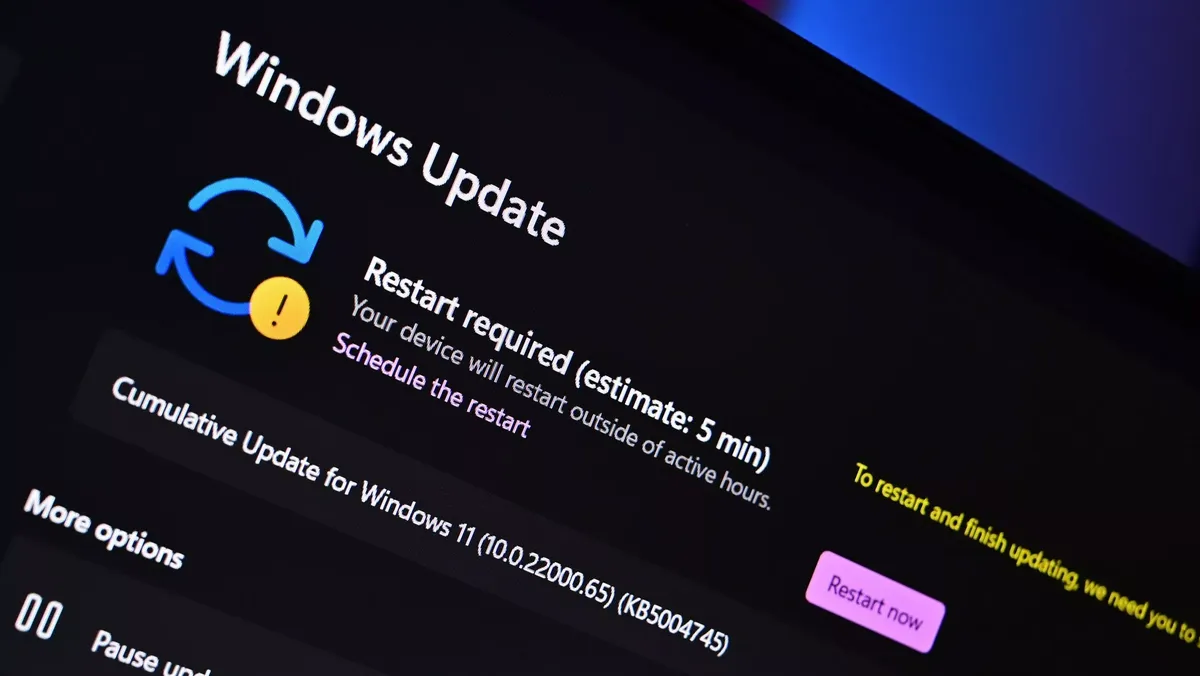
Similar to Windows 11 version 25H2, version 26H2 is expected to be released as an Enablement Package (eKB). This means that if you are already using version 25H2, upgrading to 26H2 will be like installing a monthly cumulative updatewithout requiring a complete reinstallation of the operating system.
The Activation Package is a small update that acts as a switch to activate features that are already installed in the operating system but remain dormant. Once installed, it automatically changes the version number from 25H2 to 26H2 while enabling the new release (if applicable).
Because version 26H2 shares the same platform and feature set as version 25H2, the installation process is expected to be quick and require only one reboot. As with previous enablement package releases, Microsoft will likely offer the update as an optional installation initially before making it automatically available to eligible devices as version 25H2 nears the end of its support lifecycle.
4. Development of full replacement
Although Windows 11 version 26H2 is almost identical to version 25H2, the upgrade method depends on the version currently installed on your computer.
If you are already running Windows 11 version 25H2 (or 24H2), you can upgrade with the Enablement Package without reinstalling the operating system. However, devices running older releases (such as version 23H2) will need to perform a full feature update to move to version 26H2.
5. Upgrade from Windows 10
If your computer is still running Windows 10, upgrading to Windows 11 version 26H2 requires a full feature update. Compatible devices will receive the latest supported version of Windows 11 directly through Windows Update, so you won’t need to install 24H2 or 25H2 first.
If your computer is not receiving an upgrade through Windows Update, you can also perform an in-place upgrade using Microsoft installation media.
6. Direct upgrade from older versions

You can upgrade to Windows 11 version 26H2 from version 23H2, 22H2, or previous releases, as well as from Windows 10, using an ISO file or other Microsoft installation media.
These methods perform a local standard feature update, which allows you to keep your files, applications, and settings while installing the latest version of the operating system.
While upgrading from Windows 11 versions 24H2 or 25H2 to version 26H2 through Windows Update only needs to install a small Enablement Package, using an official ISO file or other installation media will do a full local upgrade instead.
The installation still saves your files, apps, and settings, but it restores the operating system rather than simply running a new version with the Enablement Package. This results in an unnecessarily long installation process compared to upgrading via Windows Update.
8. Reasons to upgrade to version 26H2
Since the last three releases of the operating system are almost identical, the main reason to upgrade is to extend the support life cycle of your device rather than to get access to new features.
Windows 11 version 25H2 remains supported until October 2027, but upgrading to version 26H2 extends support for another year. As with previous releases, Microsoft is expected to provide 24 months of support for the Home and Pro plans and 36 months for the Enterprise and Education plans.
This also means that there will be no rush to upgrade as soon as version 26H2 is available. Because this release offers the same features and improvements, you can continue to use version 25H2 until you are ready to switch. However, you should plan to install version 26H2 before version 25H2 reaches the end of its support lifecycle to continue receiving security updates and bug fixes.
It is worth pointing out that version 24H2 will be released on October 13, 2026, and it is recommended to upgrade to the next supported version as soon as possible.
9. Similar hardware requirements
Windows 11 version 26H2 does not introduce new hardware requirements compared to version 25H2. The same requirements for supported processors, TPM 2.0, and other system components remain.
These are the minimum requirements to install or upgrade to Windows 11:
- CPU: A 1GHz or faster processor, or a System on a Chip (SoC) with at least two cores.
- RAM: 4GB or more.
- Storage: 64GB or larger storage device.
- Firmware: UEFI firmware with Secure Boot capability.
- TPM: Trusted Platform Module (TPM) version 2.0.
- Photos: Compatible with DirectX 12 or later with WDDM 2.0 driver.
- Display: High definition (720p) displays larger than 9 inches diagonally, with 8 bits per color channel.
This means that if your device is already running Windows 11 version 25H2, it will also be compatible with version 26H2 without requiring any hardware changes.
10. The withdrawal strategy will be slow
Although the Enablement Package that advances Windows 11 from version 25H2 to 26H2 is a minor update, Microsoft will likely follow the same gradual release strategy used in previous releases.
A company often uses a controlled feature release (CFR) system to test the update experience, check for potential compatibility issues, and increase availability over time. As a result, not all devices will receive Windows 11 2026 Update immediately via the Windows Update settings page.
Availability will gradually increase over the next few weeks or months as the company ensures that the update is ready for a wider array of hardware. If your device doesn’t detect the update immediately, it doesn’t mean there’s a problem. It means that the release has not reached your hardware configuration yet.
Windows Central’s Take

I think Windows 11 Update 2026 is a good example of how the software giant is changing how it delivers updates. A new version number no longer automatically means a major redesign or a lengthy installation process. Instead, the company relies heavily on small changes that keep computers running with minimal disruption.
From my experienceshipping with the application, I think this approach makes a lot of sense. Full feature updates have historically been among the most complex parts of operating system maintenance, often leading to compatibility issues, driver issues, and upgrade failures. By using the Enablement Package model, Microsoft can speed up the transition, reduce the risk of errors, and make it easier for many users to migrate to the latest supported version.

This strategy also benefits the company because a simple upgrade experience can encourage more people to stay on new versions instead of delaying updates for months or years. If the upgrade takes a few minutes instead of requiring a full installation of the operating system, users are more likely to accept it.
That said, I don’t see 26H2 as an update that users need to install right away. If you are already using the 25H2, the main reason to move will be for support rather than new features. However, I think this is a better direction for the operating system. Making upgrades faster and more reliable can help reduce problems that have caused many users to delay installing new versions.
What are your thoughts about Windows 11 version 26H2 following the same path as 25H2? Do you prefer small, smooth updates, or do you want big new features with every release? Let me know in the comments.
Additional services
Check out other in-depth how-to guides, troubleshooting advice, and useful tips to get the most out of Windows 11 and 10. Start browsing here:

Join us Reddit at r/WindowsCentral to share your information and discuss our latest news, reviews, and more.