

Apple’s upcoming smart glasses could eliminate one of the biggest issues facing the category – privacy concerns – by rethinking something as simple as the camera’s indicator light. According to a recent Bloomberg report, the company is working on non-reflective smart glasses that focus on everyday functionality, but with a design approach that could make them feel less intrusive than current offerings.
The device, internally codenamed N50, is expected to arrive around 2026 or 2027 and will serve as an iPhone companion rather than an augmented reality system. Instead of a display, the glasses will rely on features like photo and video capture, voice interaction with Siri, notifications, and media playback.
A Subtle Hardware Shift With Big Effects
What differentiates Apple’s approach is how it plans to manage recording visibility. Unlike existing smart glasses that use small LED indicators, it is reported that Apple is trying a very bright lighting system integrated directly into the camera module.
The design includes vertical lenses surrounded by visible light elements, making it difficult to hide when recording is active.
This may address the main concern that has plagued smart glasses since their inception: the fear of being recorded without permission.
The Privacy Problem Some Still Face
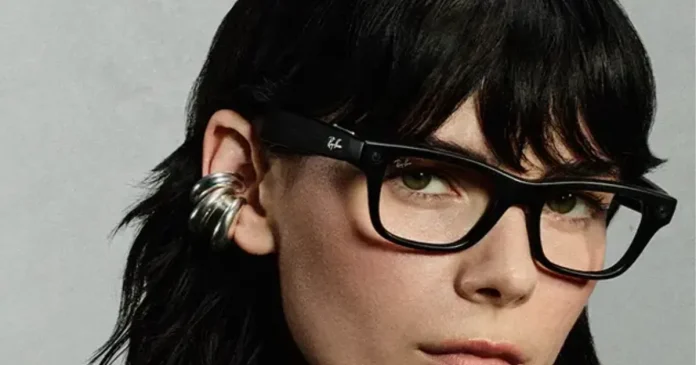
The problem is not the theory. A WIRED report highlights how users of Meta’s Ray-Ban smart glasses have tried to bypass privacy protections. Third-party vendors even promote accessories such as “ghost dots,” designed to dim or block the recording indicator light.
These efforts, while often ineffective due to built-in defenses, present a broader problem. If users try to hide the recording signals, the reliability required for widespread detection decreases.
Even unsuccessful workarounds contribute to the perception that smart glasses can be misused, reinforcing the “scary” image that has reduced their adoption.
Apple’s Strategy: Solve Trust by Design
Instead of relying solely on software limitations, Apple appears to be addressing the problem at the hardware level.
By making the recording indicator more visible and integrated into the design, the company is trying to eliminate ambiguity. If successful, this can make it very difficult to use the glasses in a way that feels subtle or deceptive.
This is consistent with Apple’s broad approach to new product categories. As seen with devices like the iPhone and Apple Watch, the company often enters markets late but focuses on refining the user experience and addressing key pain points.
Part of the Bigger AI Wearables
Smart glasses are not made for themselves. Bloomberg notes that they are part of a broader strategy that includes AI-powered AirPods and other wearable devices designed to interpret the user’s surroundings.

These products will rely on computer vision and Apple Intelligence to provide contextual information, from navigation assistance to real-time reminders.
This suggests that Apple’s goal is not just to create smart glasses, but to create an ecosystem of devices that make AI familiar and seamlessly integrated into everyday life.
What This Means for Users
For consumers, the success of smart glasses will largely depend on perception and functionality.
If Apple can make its glasses feel transparent and reliable, it could overcome one of the biggest barriers to adoption. At the same time, the tight integration with the iPhone and the Apple ecosystem can make the device more useful in everyday situations.
Next
Apple’s smart glasses are still in development, with an expected launch before 2026 or 2027. The actual fully equipped glasses will remain out, probably towards the end of the decade.
Until then, it seems that Apple is focused on getting the basics right – performance, usability, and most importantly, trust.